Does a Shed Need a Foundation at All?
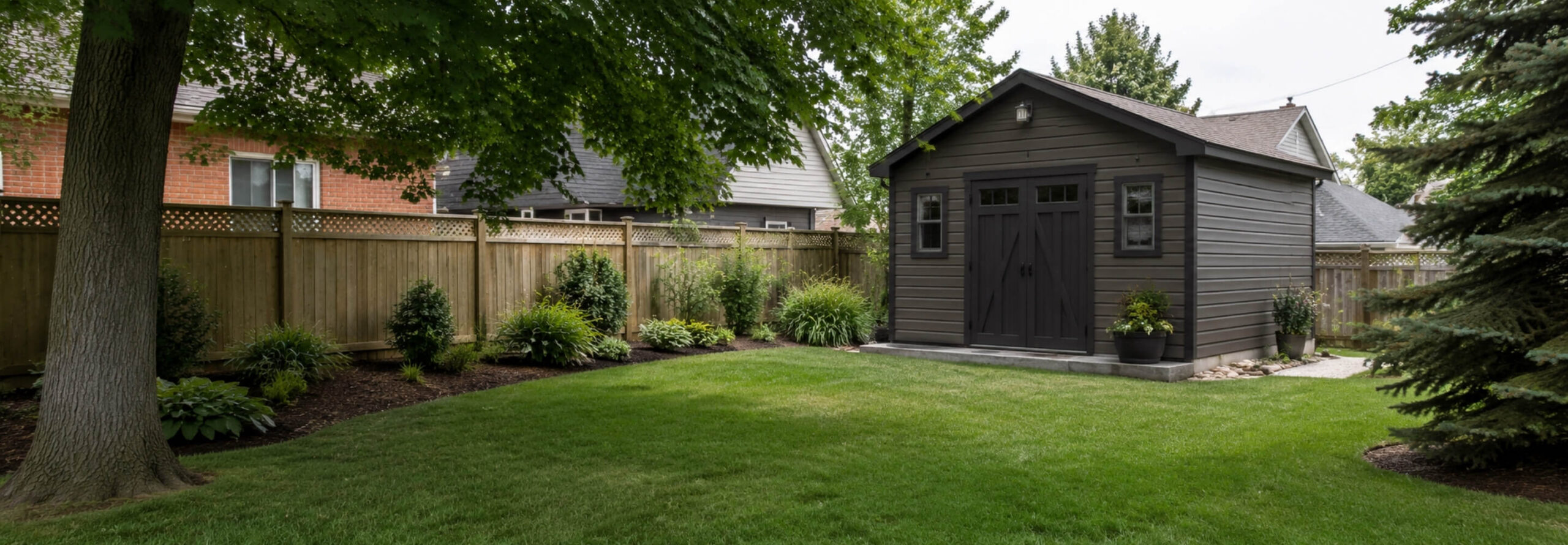
Not always. A small garden shed on dry, level, well-drained ground can sit on a compacted gravel pad or patio stones for years, and for a shed that size that is what we would recommend. The answer changes when the shed gets bigger, heavier or more valuable, or when the ground is wrong.
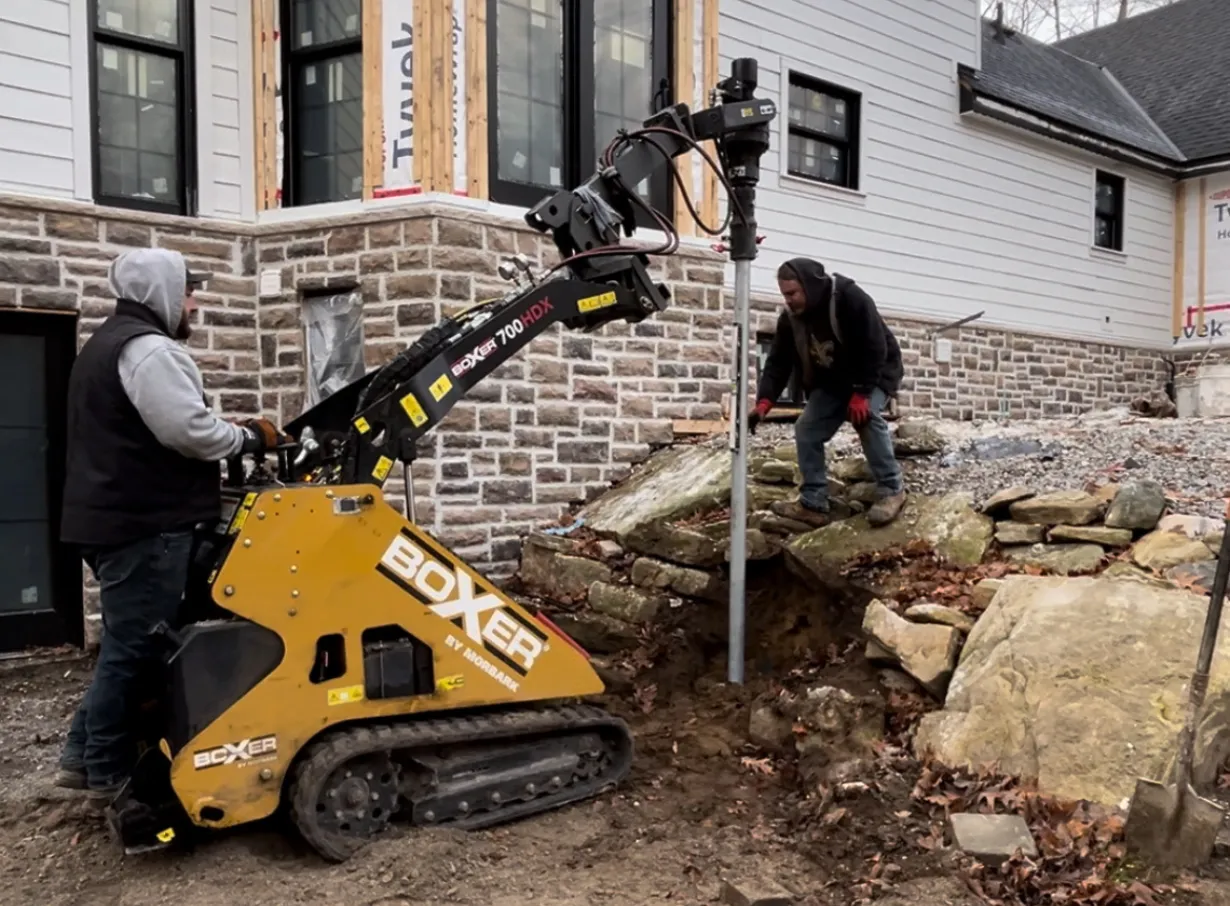
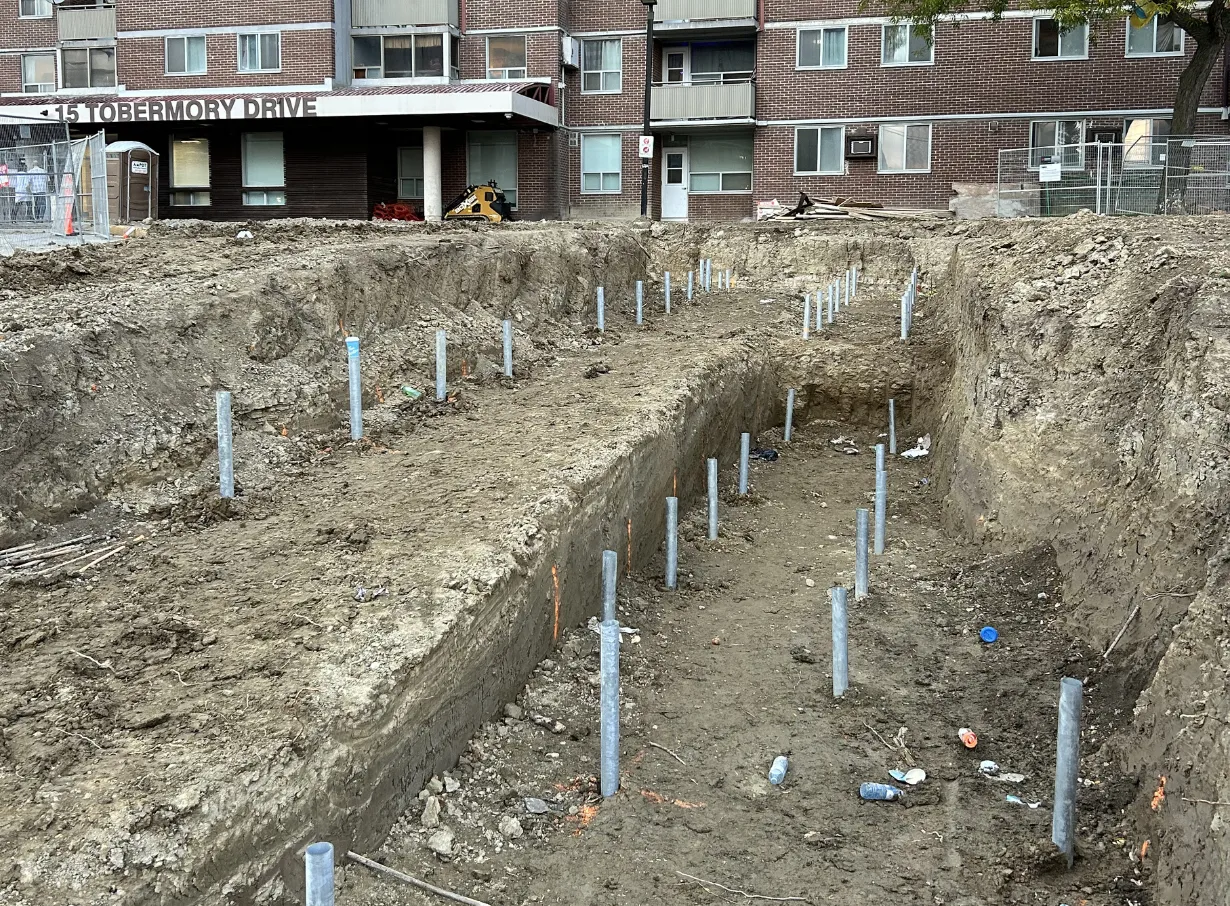
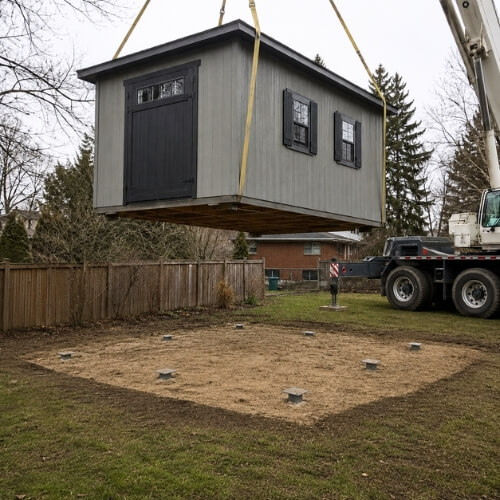
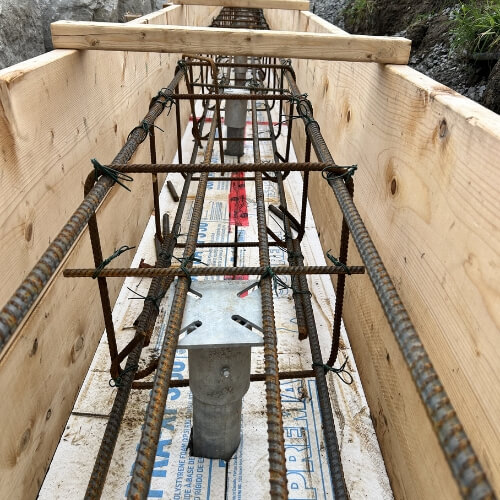
Three thresholds decide it. Size. Ontario’s Building Code exempts small detached accessory buildings from a permit (the threshold was 10 square metres, about 108 square feet, for years, and the 2024 Code raised it to 15 square metres for structures without plumbing; confirm with your municipality). Once a shed needs a permit, it needs a real foundation and the building department will ask what it is. Weight and use. A workshop with a slab of tools, a two-storey studio or a prefab unit lowered in by crane puts point loads on the corners that a gravel pad spreads unevenly, so the floor racks and the doors bind. Ground. Clay, a high water table or a slope mean a pad will heave or wash out no matter how small the shed is. On any of those, a footing that bears below the frost line is the difference between a shed that stays square and one you re-level every spring.
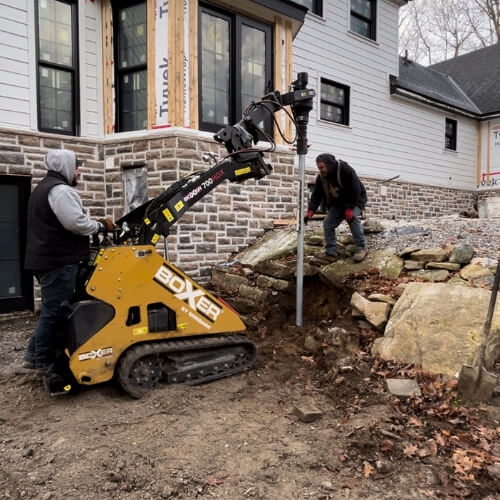
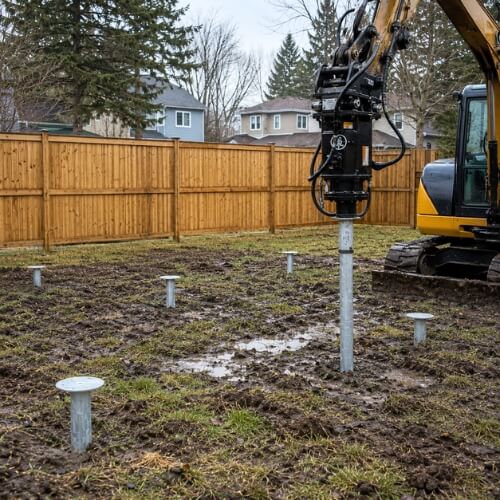
The short version: under the permit threshold, on dry flat ground, use a pad. Over it, on clay, on a slope, or for anything you would be upset to see lean, use piles.