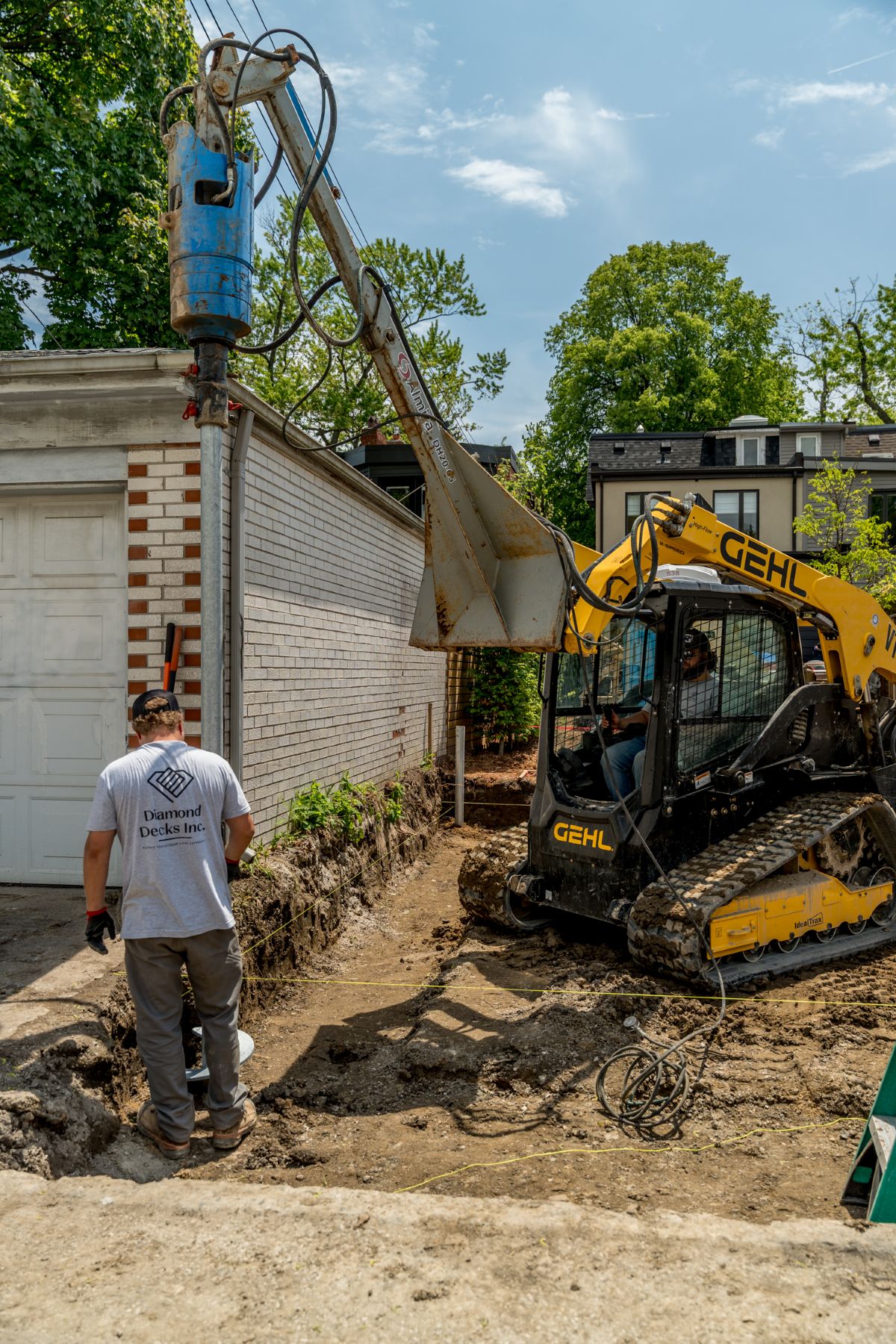
Diamond tech just installed piles for a deck off our sport court. Great service. Came right away to get them done. Their employees were very professional.
Residential Foundations
Commercial & Industrial
Nautical & Marine
Underpinning & Repairs
From growing subdivisions to spacious rural properties, construction sites across East Gwillimbury can present very different foundation needs. Changes in soil, drainage, frost conditions, and property access may make traditional excavation less practical for some projects.
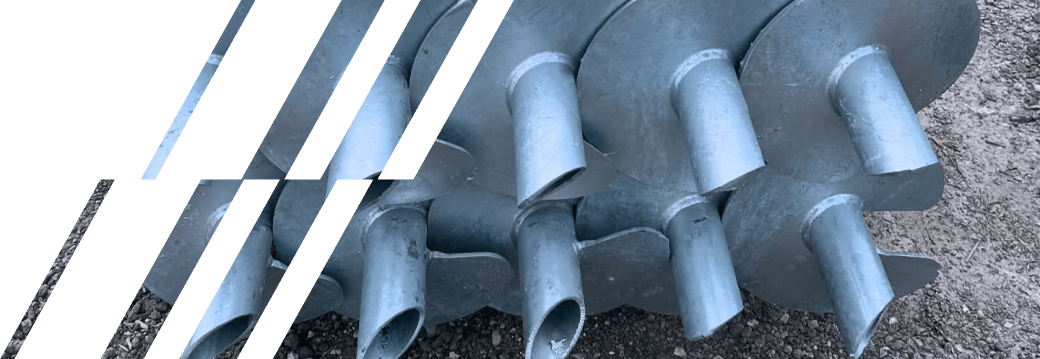
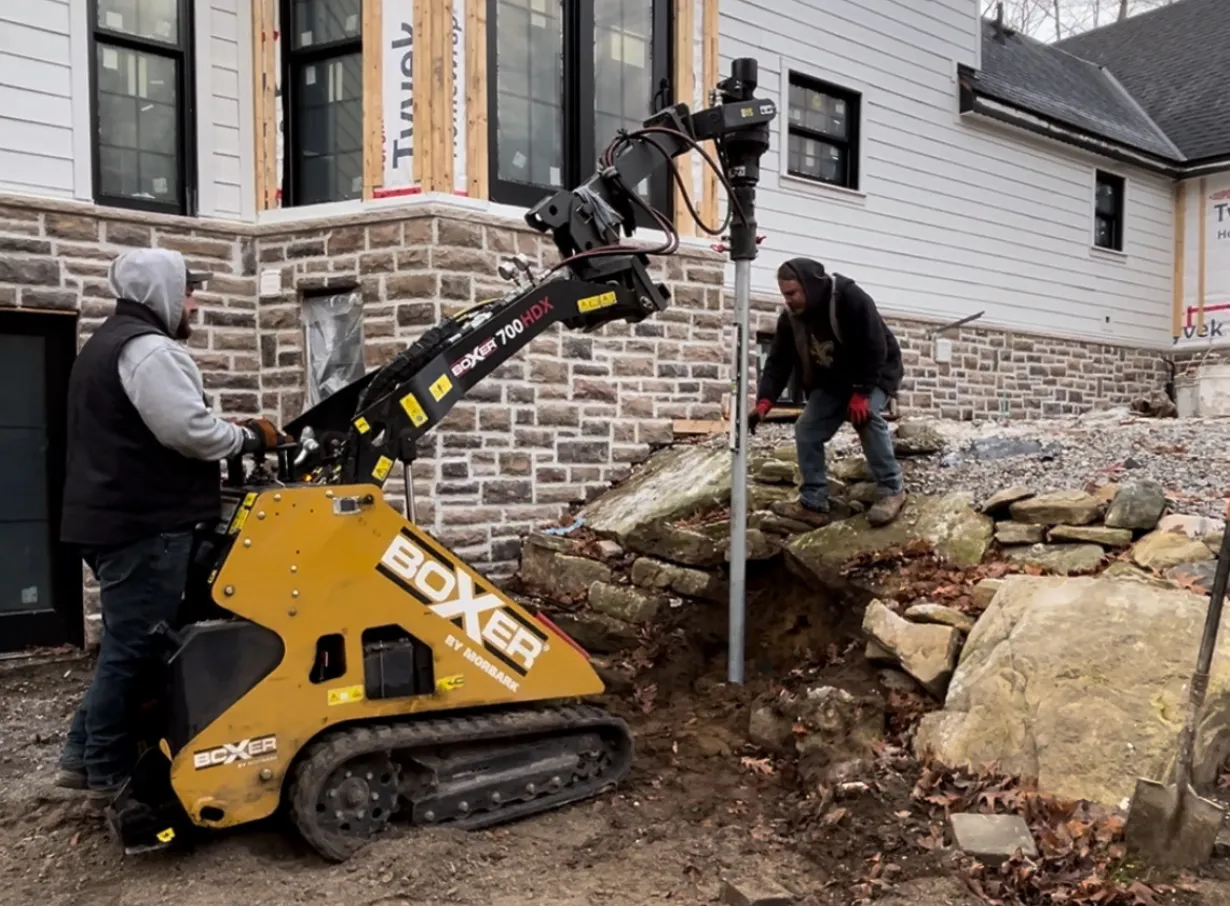
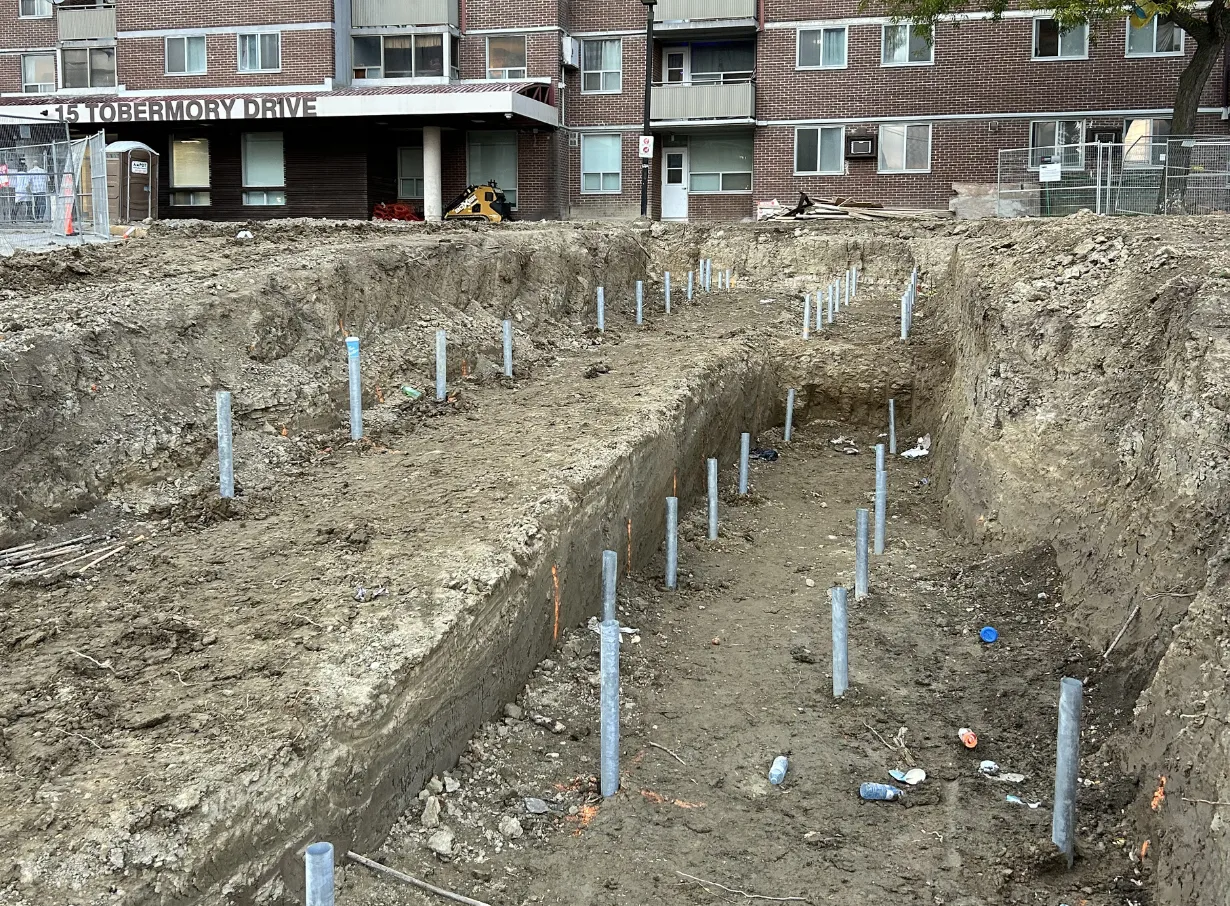
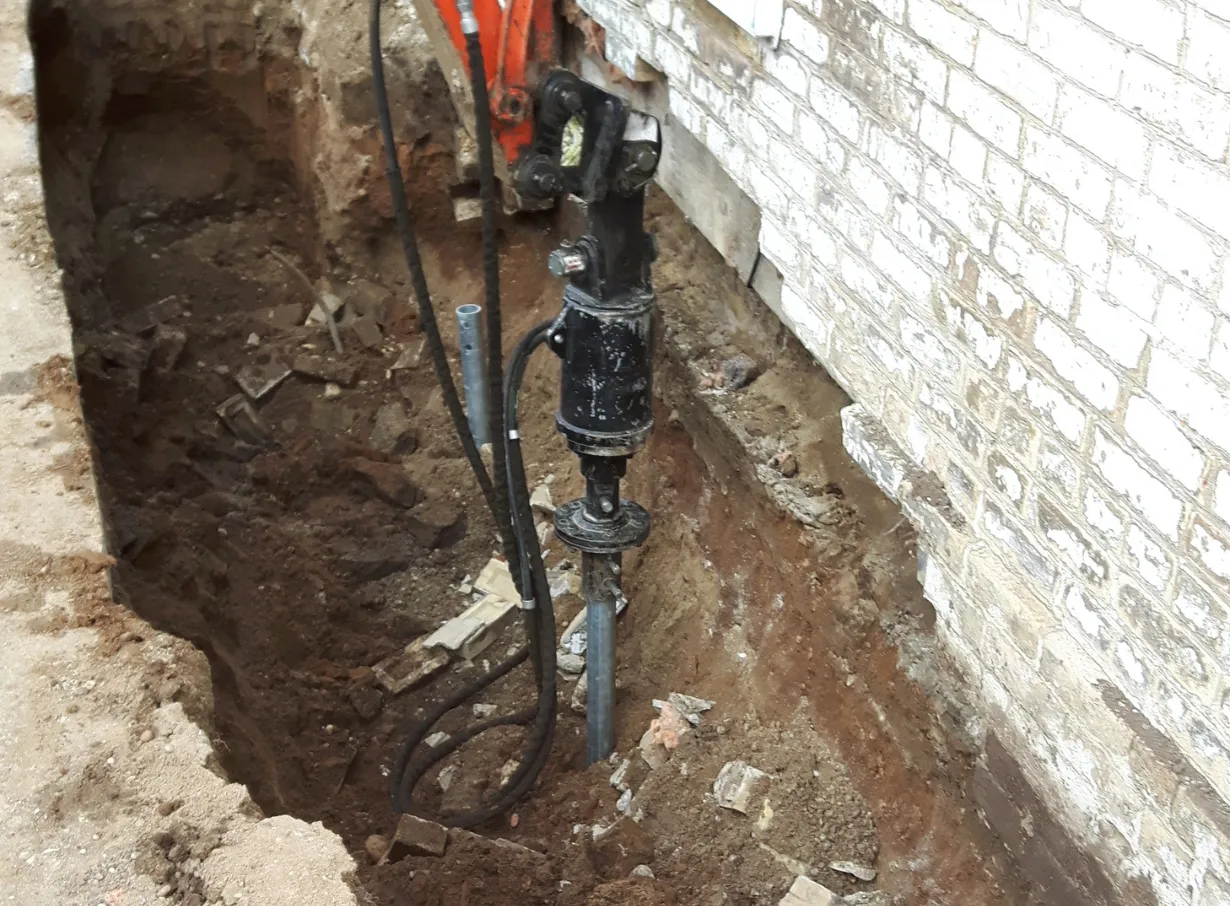
Helical piles provide a strong alternative by transferring structural loads into suitable bearing soil below the surface. Our installation systems work well for decks, additions, porches, garages, outbuildings, and other structures. In addition, compact equipment lets our crew work around fences, landscaping, existing buildings, and other obstacles with less ground disturbance.
Year-Round Installation
Our installation process works in changing seasonal conditions, so your foundation work does not have to wait for warmer weather.
Below-Frost Support
Engineered pile depths extend below the frost-affected soil zone to help limit movement caused by seasonal ground changes.
Engineered Load Capacity
We size and install each pile system to suit the structural loads, soil conditions, and engineering requirements of the project.
Minimal Site Disruption
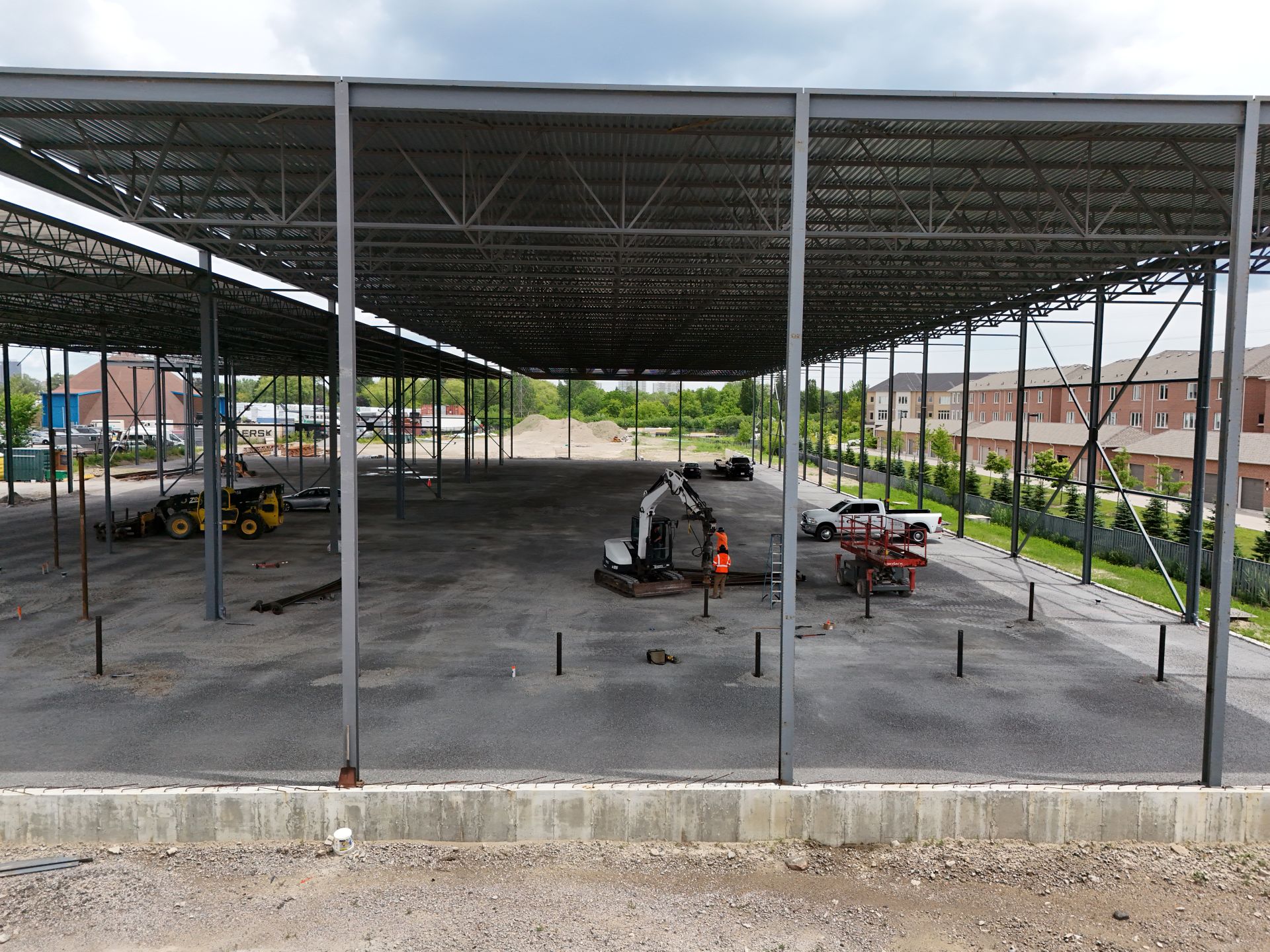
Compact hydraulic equipment fits into many residential and rural sites while reducing excavation and disturbance around the work area.
Project-Specific Engineering
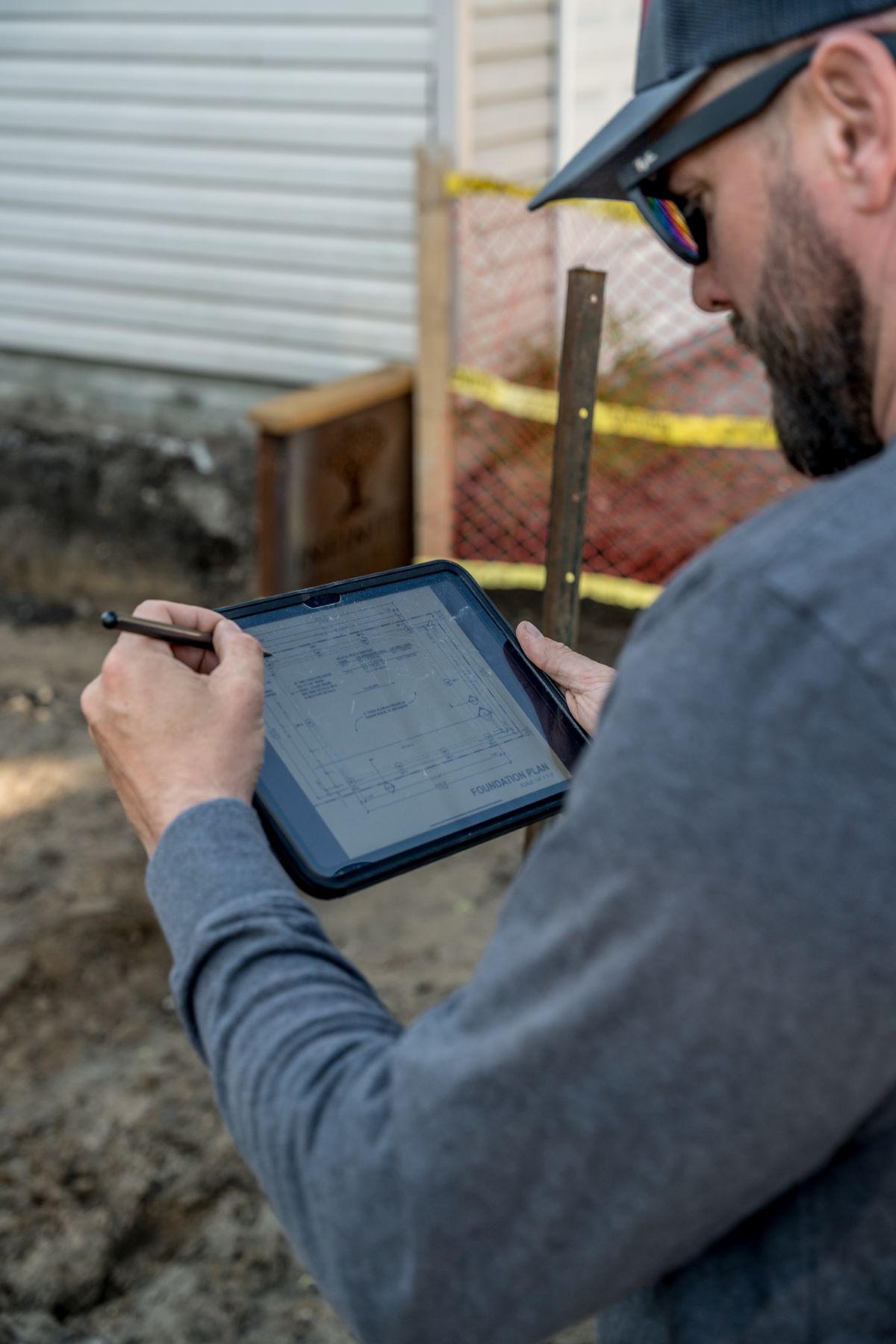
We develop pile layouts around your structure, expected loads, site conditions, and foundation design.
With new development alongside established homes and rural properties, East Gwillimbury offers a wide mix of building sites. Soil depth, moisture, frost, drainage, and equipment access can all affect the foundation approach.
Our helical pile systems give property owners and contractors a flexible way to create dependable support while keeping the installation process efficient:
Properties throughout the municipality can have different soil profiles. Clay, sand, gravel, fill, moisture, and changes in soil density may affect how a foundation performs. Rural lots can also introduce differences in drainage and terrain, while established neighbourhoods may limit access for larger machinery.
Instead of applying the same installation method to every site, we consider the structure, ground conditions, access, and engineering requirements before selecting the pile configuration.
Our screw pile and helical installation equipment uses hydraulic torque to drive steel piles into the ground with controlled force. During installation, we monitor torque readings to assess soil resistance and help confirm that the pile system meets the project’s specified requirements.
Local building conditions can change from one community to the next. Below are some of the areas we serve and the types of site conditions that may influence a helical pile installation.
Rapid residential growth has brought new homes and construction projects to Queensville. Many sites require careful planning around driveways, landscaping, neighbouring properties, and active construction areas. Screw piles can provide efficient support for decks, additions, accessory buildings, and similar structures.
Sharon includes established homes as well as newer residential development. Finished yards, fences, trees, and existing structures can make large-scale excavation difficult. Our compact installation equipment helps crews reach these sites while keeping ground disturbance to a minimum.
Mount Albert features a blend of residential and rural properties, so site conditions can vary widely. Soil, drainage, terrain, and equipment access all factor into the installation plan. We select the pile configuration according to the project’s structural and engineering requirements.
Holland Landing has many established residential properties where new decks, additions, porches, and other improvements may need foundations close to existing structures. Helical piles work well in locations where limited access makes traditional excavation more challenging.
Foundation work may involve permits, engineering documents, inspections, and other municipal requirements. The exact process depends on the type of structure and the scope of construction. Likewise, screw pile pricing varies from project to project because soil, access, loads, pile depth, and material requirements can all affect the installation.
Use the information below as a starting point when planning your project and preparing your foundation budget.
| Project Item | Pricing Factors | East Gwillimbury Considerations |
|---|---|---|
| Building Permits | Project type, building size, structural changes, and overall construction scope. | The Town of East Gwillimbury requires permits for many new buildings, additions, and structural projects. Fees depend on the type and scope of work. |
| Decks & Porches | Deck size, height above grade, structural design, roof coverage, and connection to the home. | Most decks require a permit. The Town identifies an exemption for uncovered wooden decks less than 600 mm (24 inches) above grade when they do not interfere with required exits or ramps. |
| Site Access & Encroachment | Property width, fencing, landscaping, driveway access, equipment size, and proximity to municipal property. | Projects that use municipal roads, sidewalks, or boulevards may require a Road Occupancy Permit. Smaller installation equipment can help limit the space needed on site. |
| Stamped Engineering | Structural loads, pile layout, soil conditions, frost considerations, and project complexity. | Some foundation projects require professional engineering documentation. The Town’s deck guidance also identifies engineer-stamped design and soil analysis requirements for helical piles. DiamondTech coordinates the engineered pile layout and supporting documentation. |
| Screw Pile Installation | Number of piles, installation depth, required capacity, extensions, access conditions, soil, and underground obstructions. | No single rate applies to every property. After reviewing your project requirements and site conditions, we provide a quote based on the actual installation scope. |
Explore all the communities we serve on our helical pile service areas page.
Permit requirements depend on the structure and the scope of construction. New buildings, additions, decks, and other structural work may require approval from the Town of East Gwillimbury. Check the requirements for your specific project before work begins.
Yes. Helical piles work well for many rural and residential projects. Before installation, we consider the site’s access, soil, structural loads, and intended use to determine the appropriate foundation system.
They can be. Different pile configurations can suit different ground conditions, allowing the foundation design to account for changes in soil strength, depth, and moisture. Engineering requirements determine the final pile selection.
Installation depth varies by property. Soil conditions, frost depth, structural loads, required capacity, and the engineering design all influence how far each pile needs to extend.
Yes. Our equipment can install screw piles throughout the year when site conditions allow. Since the foundation does not require concrete to cure, cold weather does not create the same curing delay associated with conventional concrete work.
Common applications include decks, porches, home additions, garages, sheds, boardwalks, underpinning, and other structural projects. The pile system must match the loads and engineering requirements of the structure.
Considering a temporary or relocatable structure? Learn more in our guide to removable and reusable helical piles and how they can support temporary foundations.