




Why Helical Piles Make Perfect Sense For Your Next Project
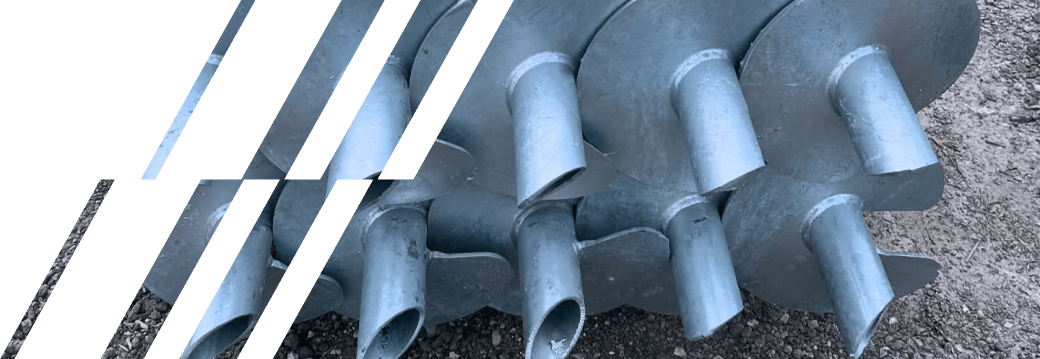
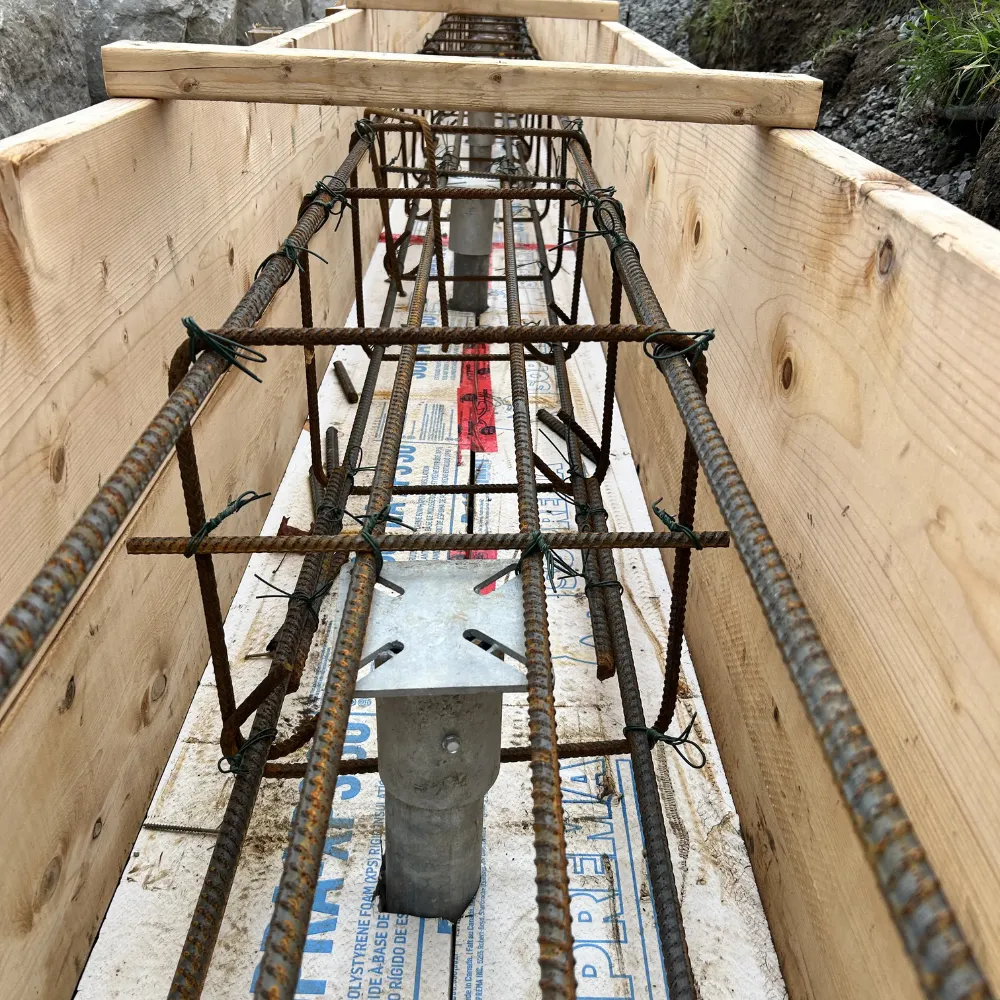
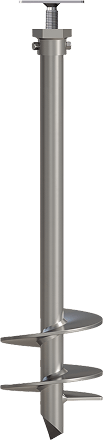
Building something great in Ontario means dealing with some pretty tricky ground conditions. Between the deep frost lines that can move your house and the thick clay soils found all over the GTA, traditional concrete footings often run into trouble. Helical piles, which many people call screw piles, are essentially heavy duty steel anchors that we screw deep into the earth until they hit solid ground that can actually hold weight.
By skipping the unstable topsoil and anchoring your project into the stable ground below, our systems make sure your deck, addition, or boathouse stays exactly where you put it. No shifting, no cracking, and no frost heave. Just a solid foundation that lasts for decades.
Explore Our Helical Piles
Built For The Cold
We go deeper than the standard 4 foot frost line to keep things still.
Tough Ground Specialists
Engineered to handle wet sand or the stickiest Ontario clay.
Winter Ready
We can install in the middle of January without any extra hassle.
No Wait Time
You can start building the moment we finish our work. No concrete drying.
Clean And Quiet
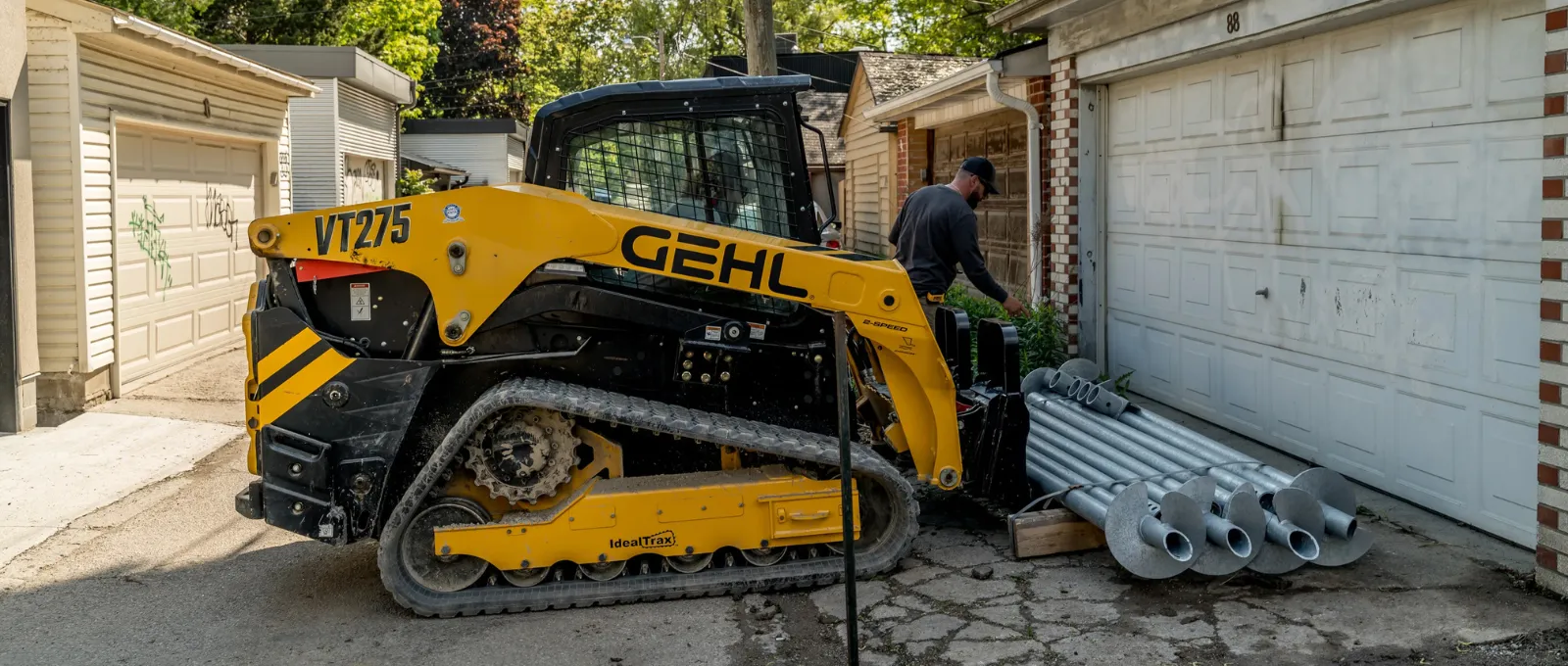
We do not dig big holes or make a mess of your beautiful lawn.
Powerful Applications for Helical Piles
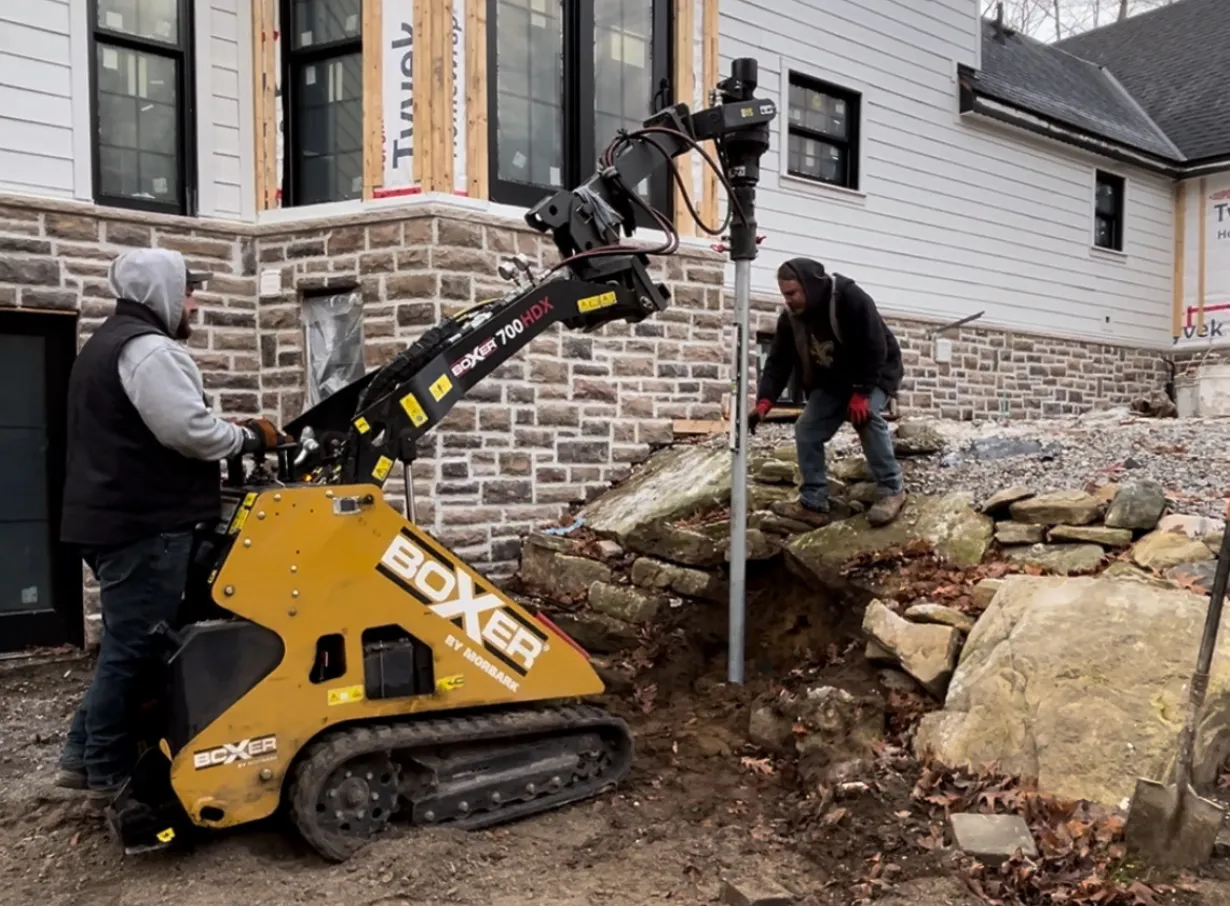
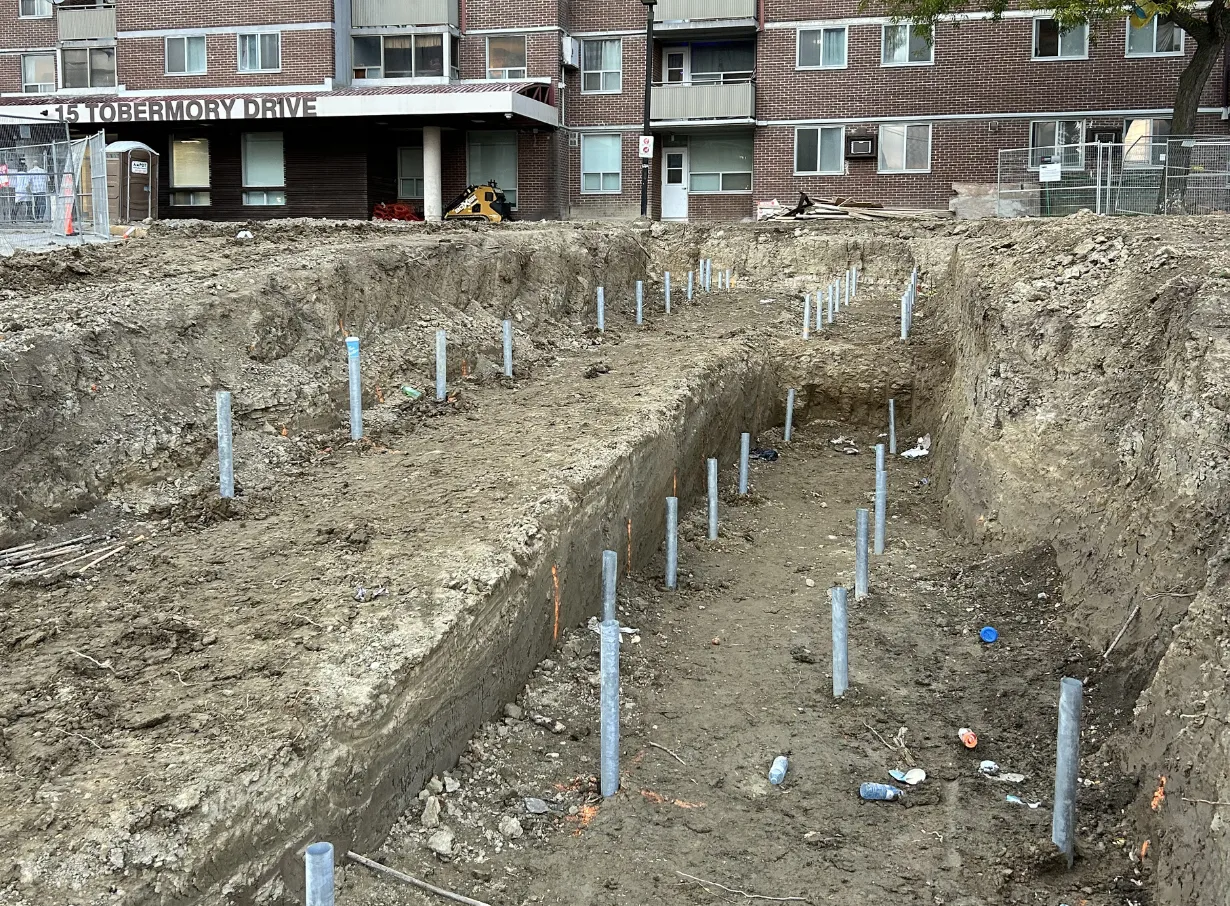
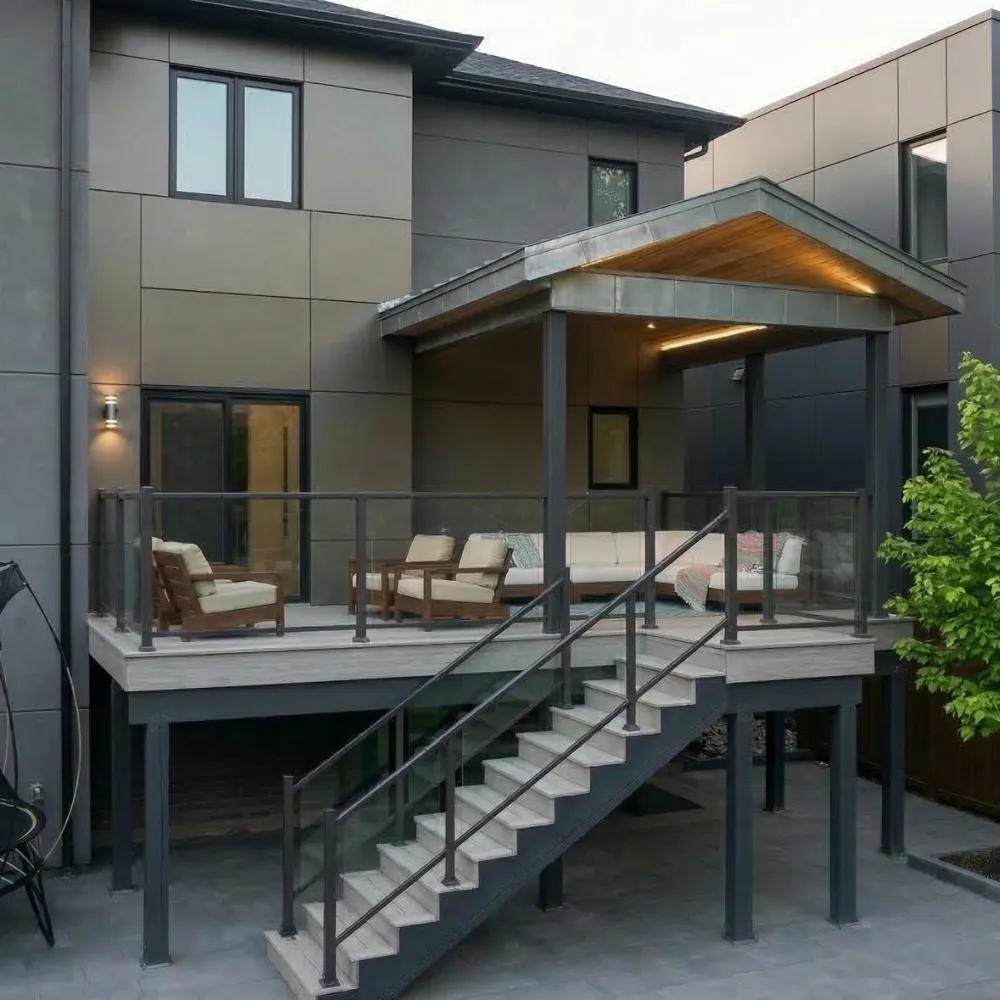
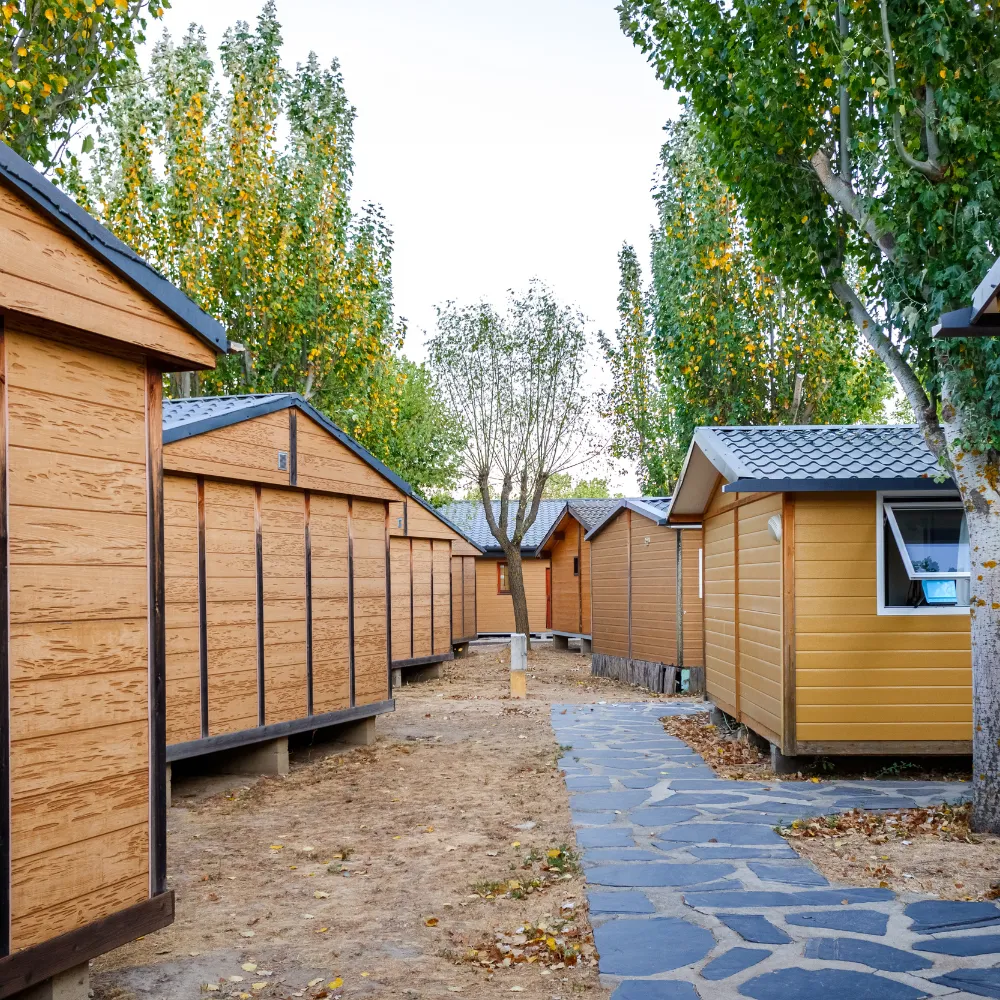
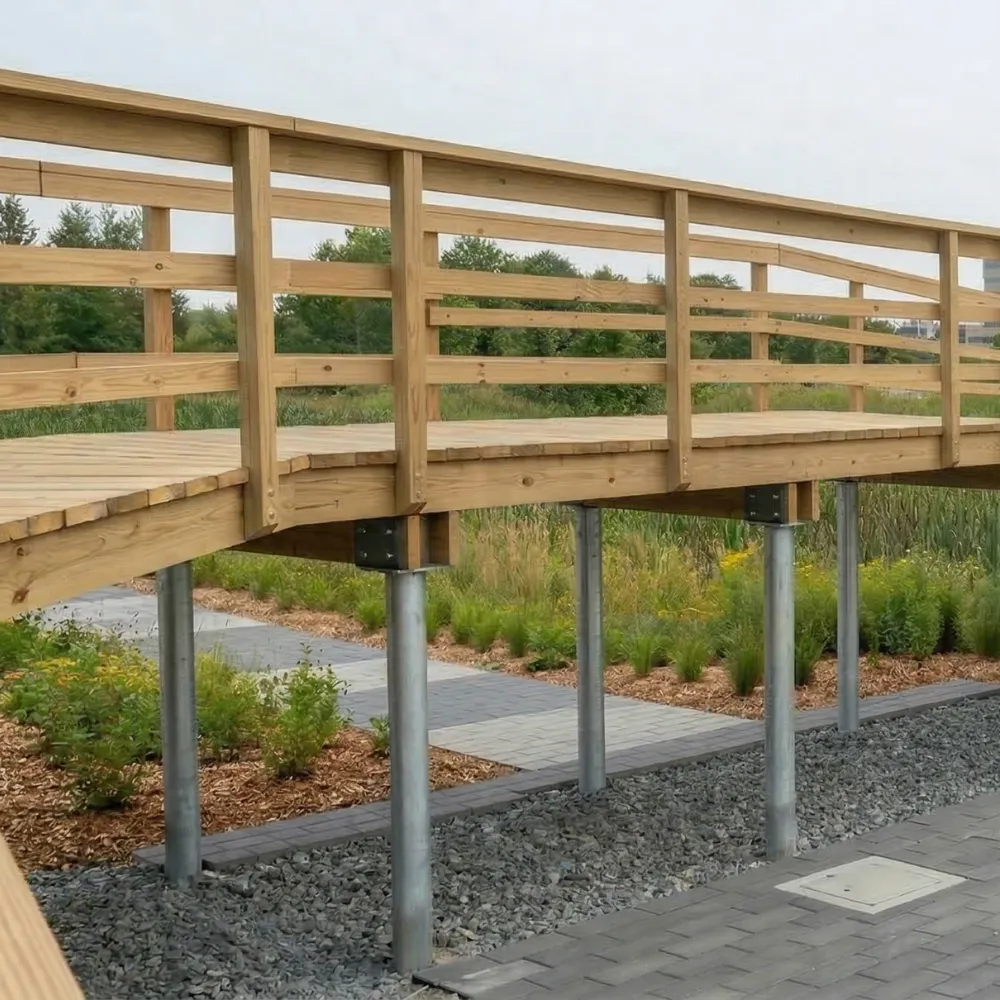
From residential patios to structural home foundations, our engineered helical pile system provides the ultimate anchoring solution. Whether you are building a new addition or securing a heavy deck, these piles deliver unmatched strength and long-term stability for any project.
Ready To Get Started?
Our helical pile systems give you a foundation that is ready to work immediately. Let us help you figure out the best setup for your specific project and soil conditions.
What our Clients Say
Frequently Asked Questions
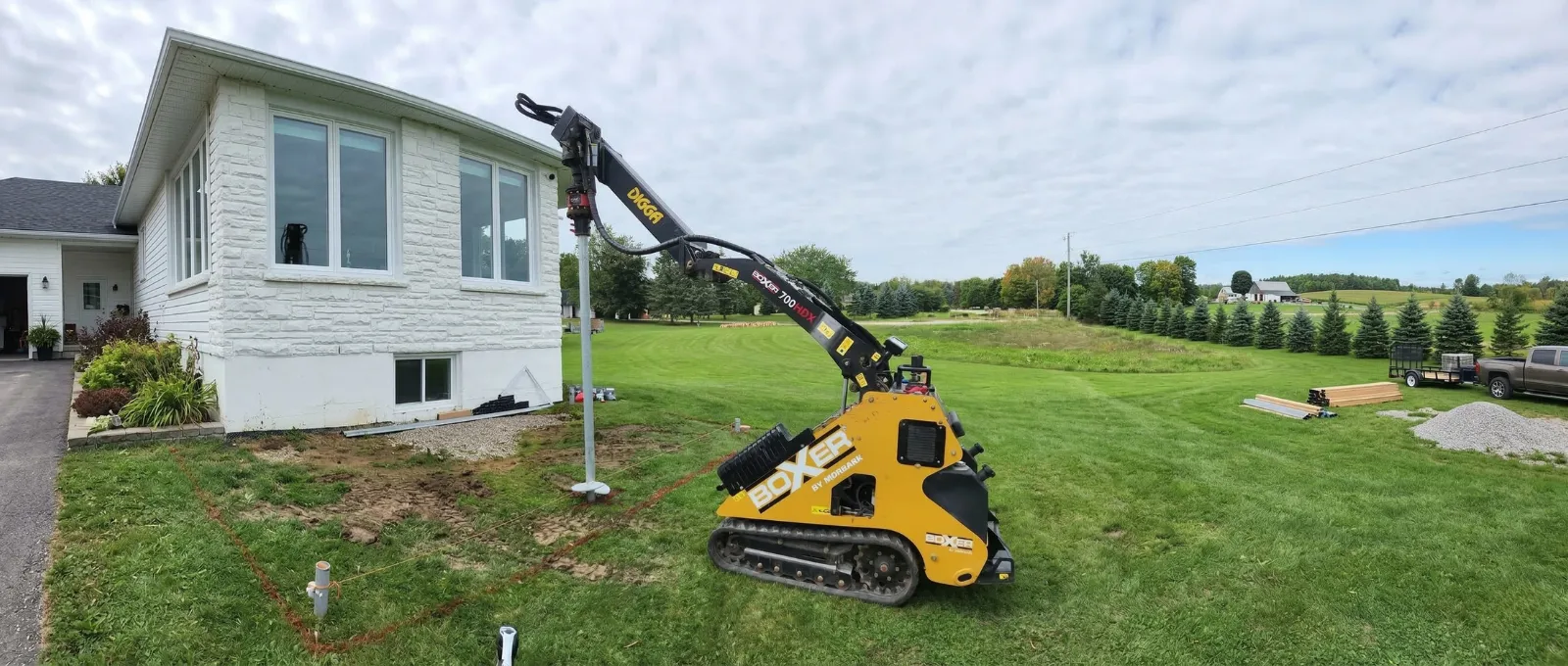
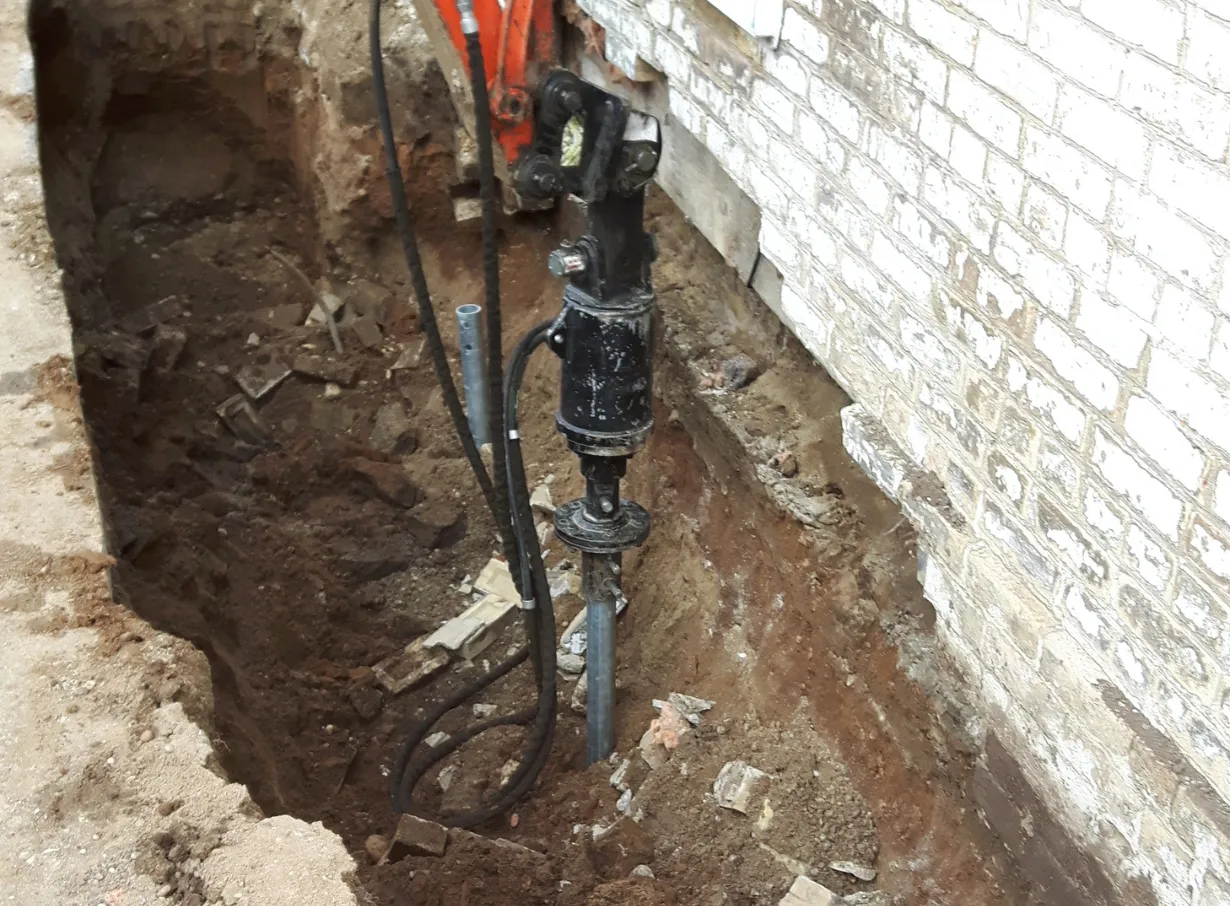
Think of a helical pile as a giant industrial screw. We use high strength steel shafts that have spiral blades attached to the bottom. Instead of digging a massive hole and pouring concrete, we use hydraulic machinery to screw these piles deep into the ground. They work by bypassing the soft or loose soil on the surface and anchoring themselves into the solid ground further down. This gives you a foundation that is verified by the machine itself as it goes in, meaning we know exactly how much weight it can hold before we even finish.
In a place like Ontario, concrete footings have a few natural enemies. The main one is frost heave, which happens when the ground freezes and pushes your concrete post upward, leading to tilted decks and cracked foundations. Helical piles are different because they are anchored so deep that the frost can not touch them. Plus, you do not have to wait days for concrete to dry or deal with a yard full of dirt from excavation. You can build on them the very same day they go into the ground.
It absolutely is. This is a game changer for builders in Ontario. Normally, construction stops when the ground freezes because you can not easily pour concrete in the snow. But because we are literally screwing steel into the ground, we can go right through that frost layer. We install piles in January and February all the time, which means you do not have to wait for the spring thaw to get your project moving.
To follow the rules of the Ontario Building Code, every foundation needs to be protected from frost. This usually means going at least 4 feet deep. However, every site is different. Some projects might hit solid ground at 8 feet while others in marshy areas might need us to go 20 feet or more. The cool part is that our equipment tells us exactly when we have reached the right level of resistance, so we only stop when we are 100 percent sure your structure is safe.
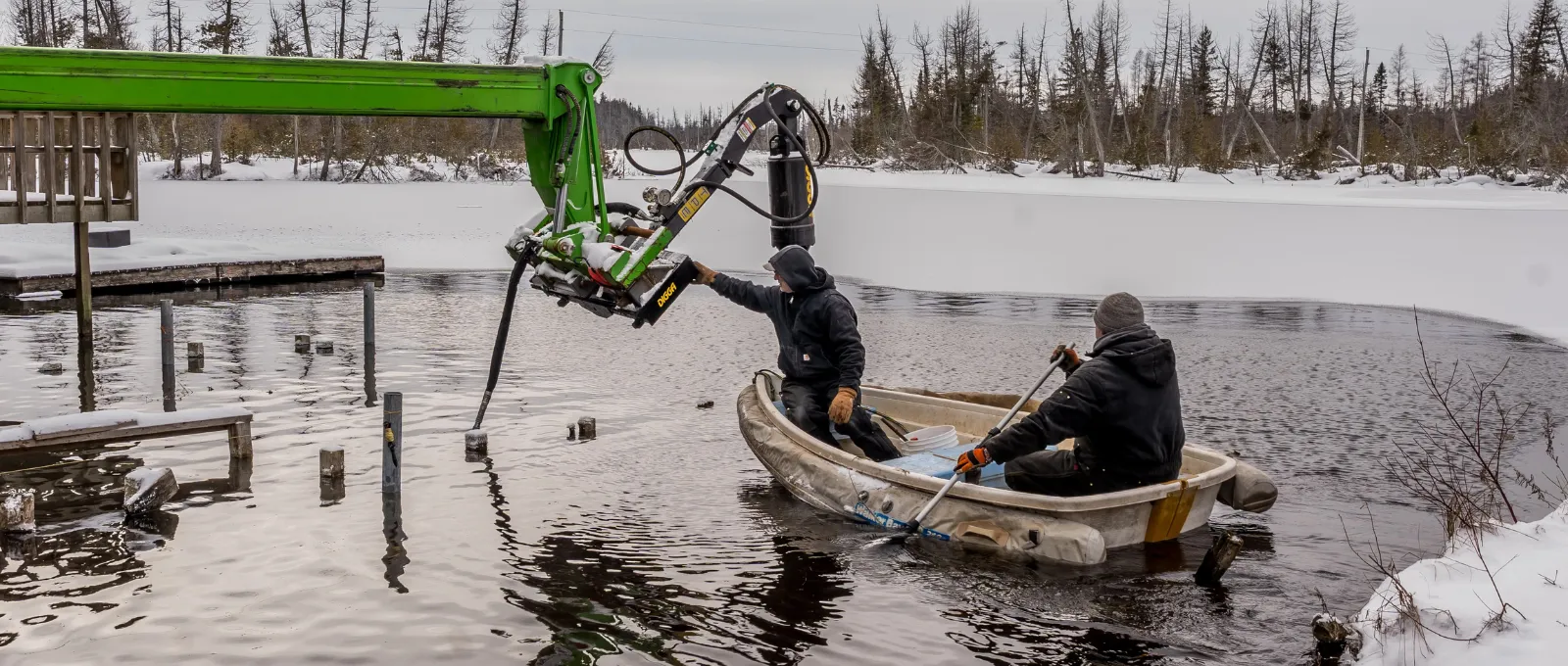
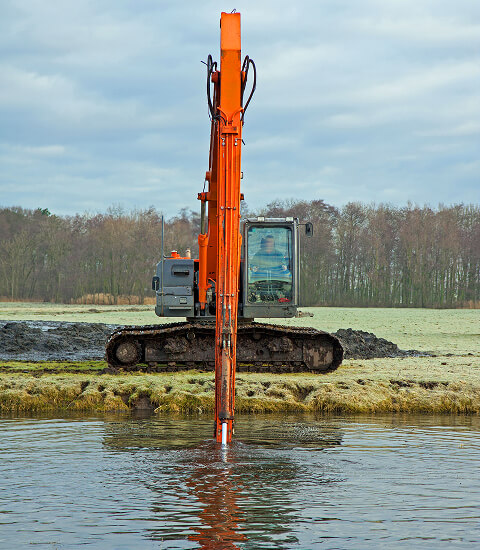
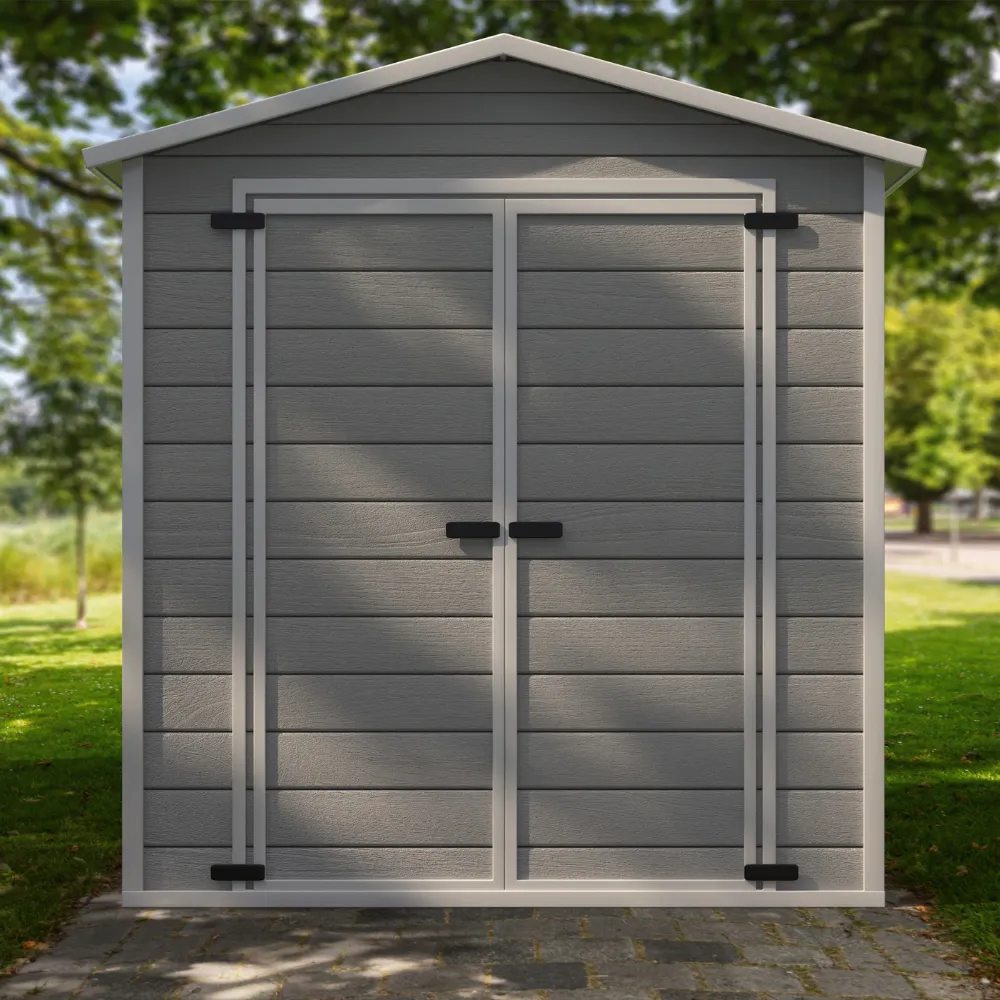
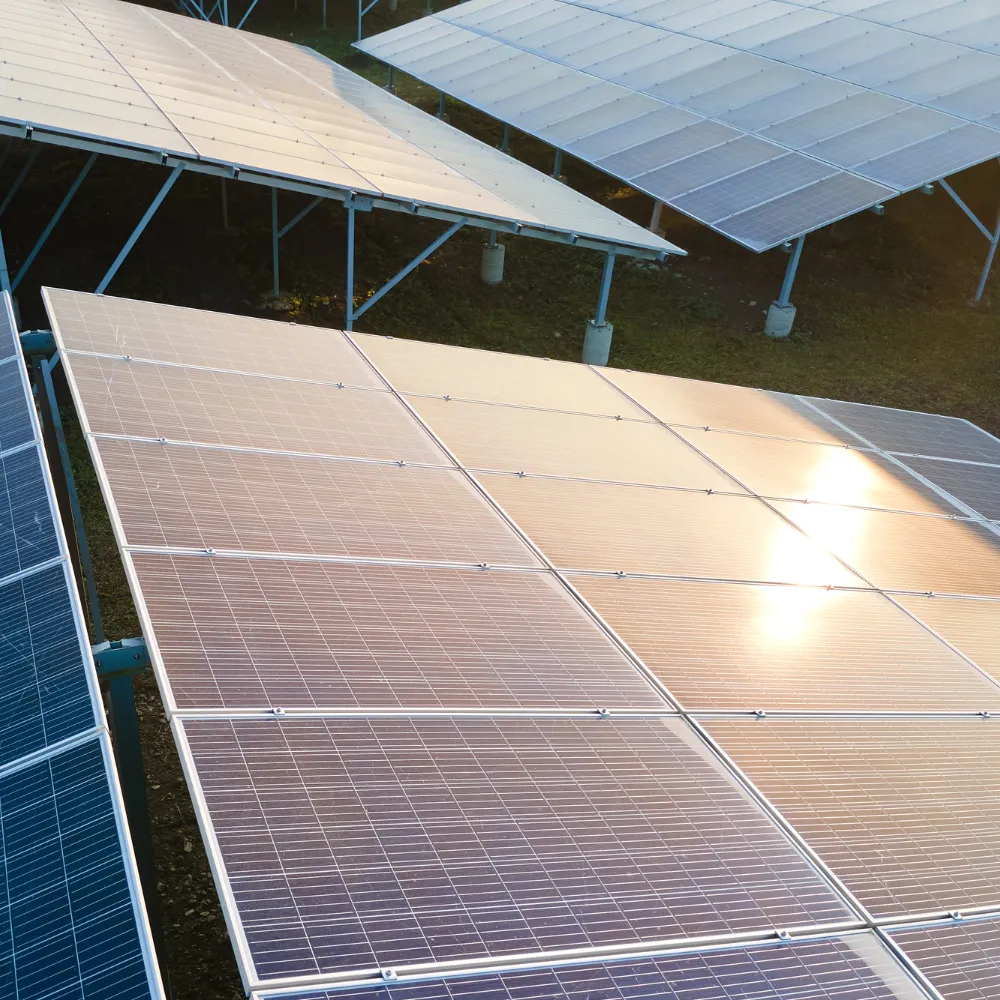
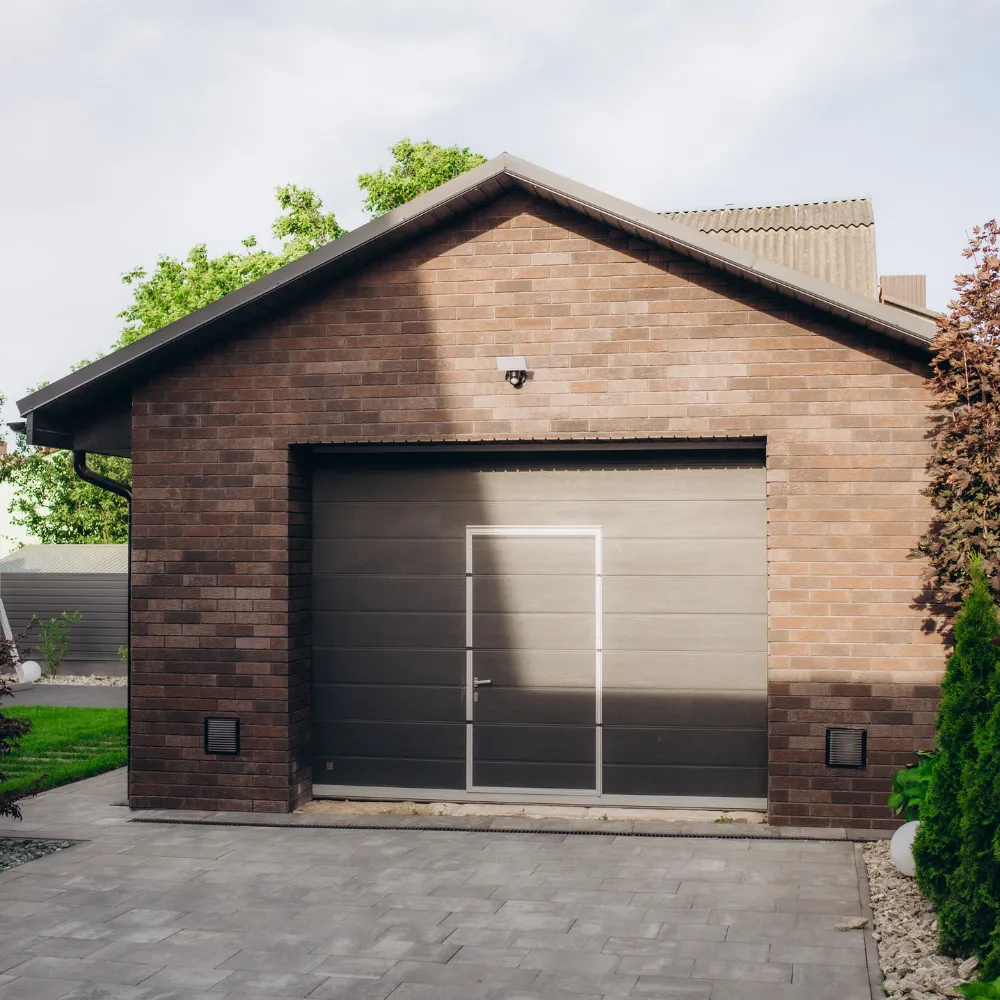
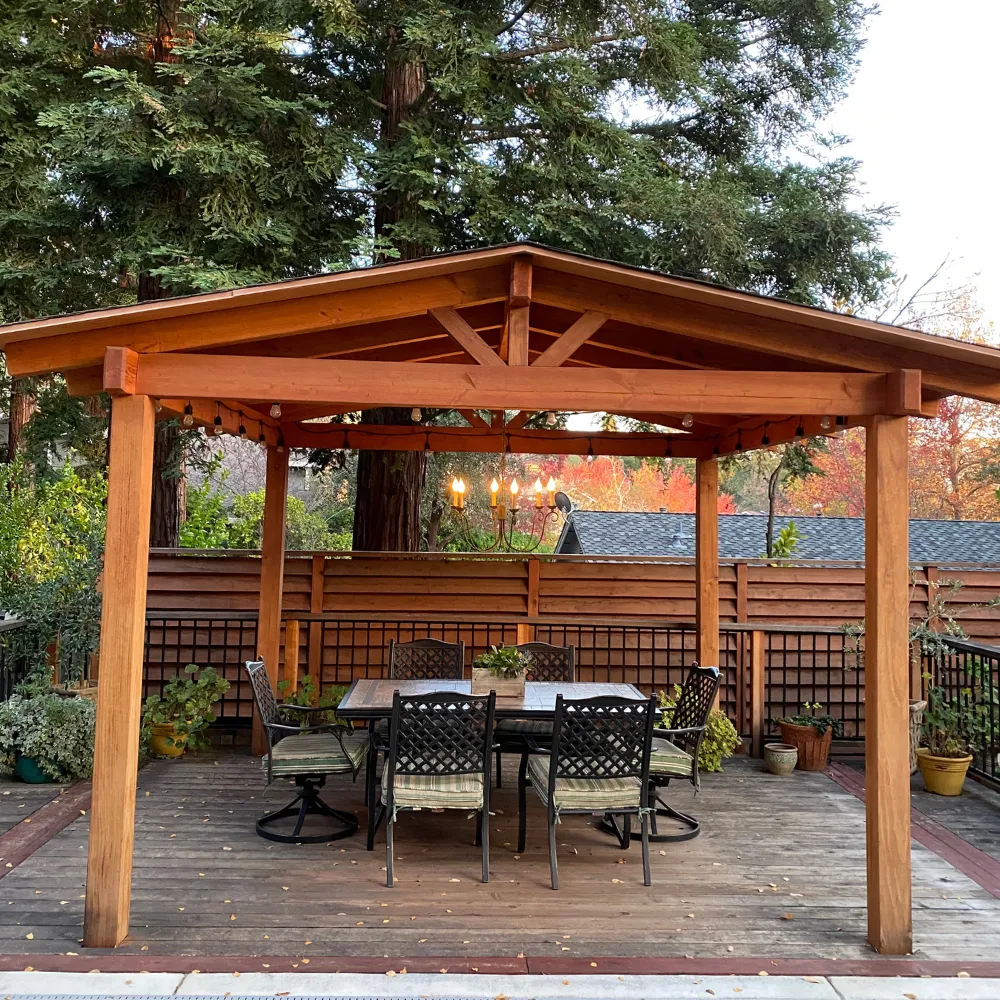
The list is huge. Most homeowners use them for backyard projects like custom decks, hot tubs, sheds, and home additions. But they are also perfect for bigger stuff like detached garages, solar panel systems, and commercial signage. We even use them for nautical projects like boathouses and docks because they cause very little disturbance to the surrounding environment. If it needs to stay level and upright, a helical pile can probably handle it.