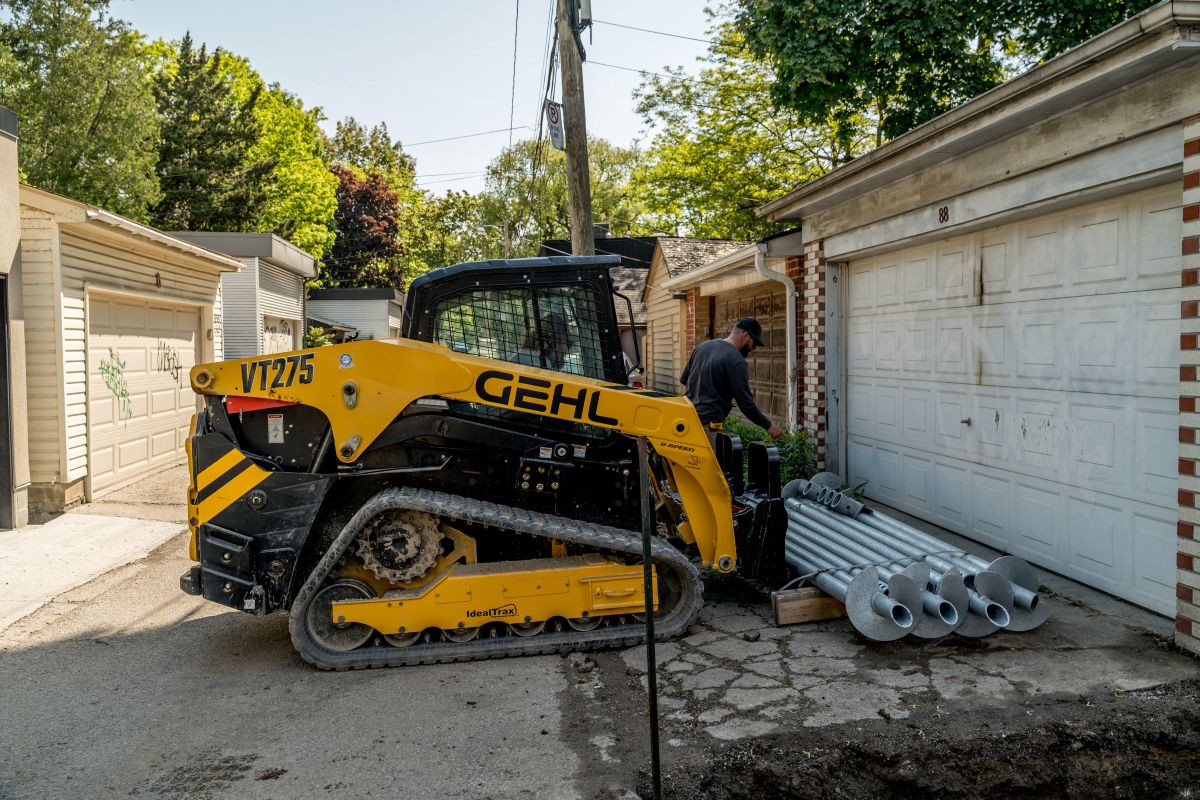
Diamond tech just installed piles for a deck off our sport court. Great service. Came right away to get them done. Their employees were very professional.
Residential Foundations
Commercial & Industrial
Nautical & Marine
Underpinning & Repairs
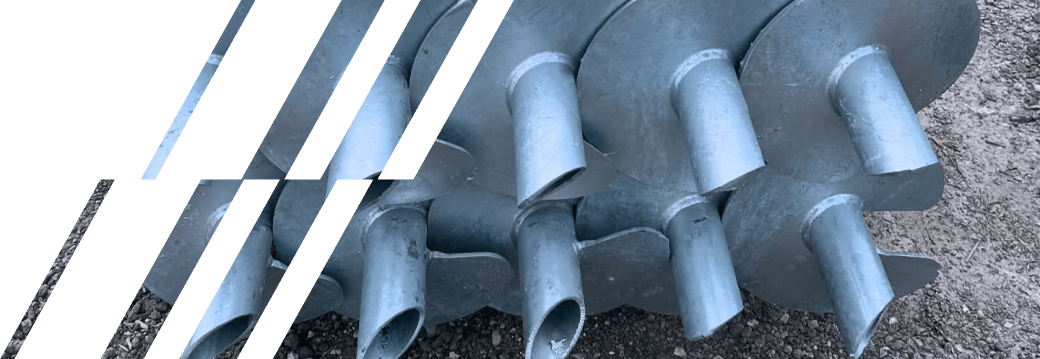
Building in Holland Landing can involve sandy soils, clay, silt, and changing ground conditions. Nearby properties can also have different drainage and access needs. For that reason, every foundation project needs a plan that fits the site. Engineered screw piles give you a strong foundation option without the large excavation needed for many concrete footings. Our compact equipment also works well on residential properties with limited access. In addition, screw piles do not need a concrete curing period. Once installation is complete, your project can move ahead without waiting for concrete to set.
Year-Round Installation
Screw piles can be installed in Holland Landing throughout the year. Cold weather does not require the curing time needed by concrete.
Frost-Ready Support
Engineered piles extend to the required depth to provide stable support below the active frost zone.
Engineered Load Support
Each pile system is selected and installed to meet the load requirements of your structure.
Small Site Footprint
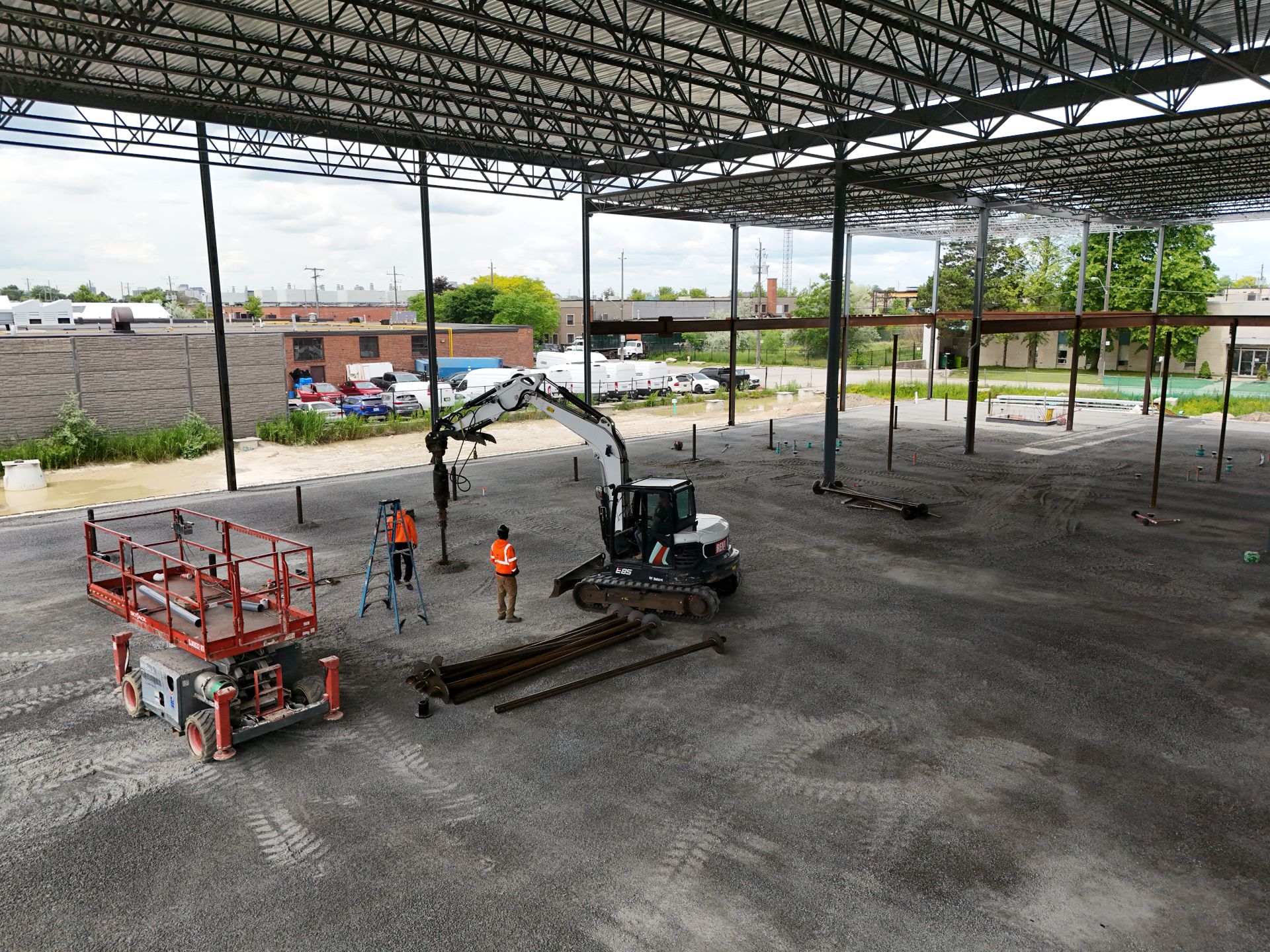
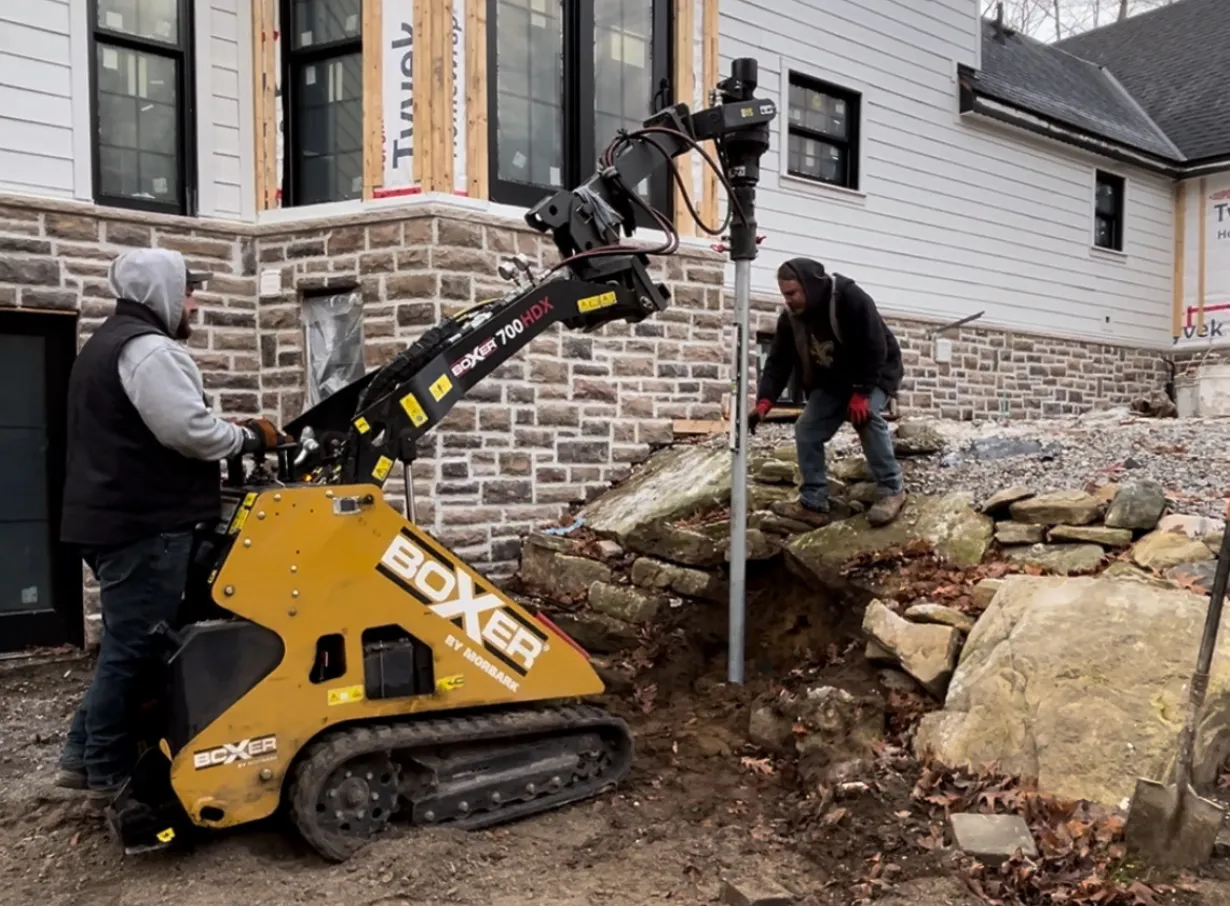
Compact equipment can reach many residential sites with narrow driveways, gates, and limited side access.
Custom Engineering
We provide engineered foundation layouts based on your structure, site conditions, and required loads.
Holland Landing has a mix of residential and rural properties. Ground conditions can change from one site to another. Sandy areas, clay, silt, and gravel can all affect foundation work.
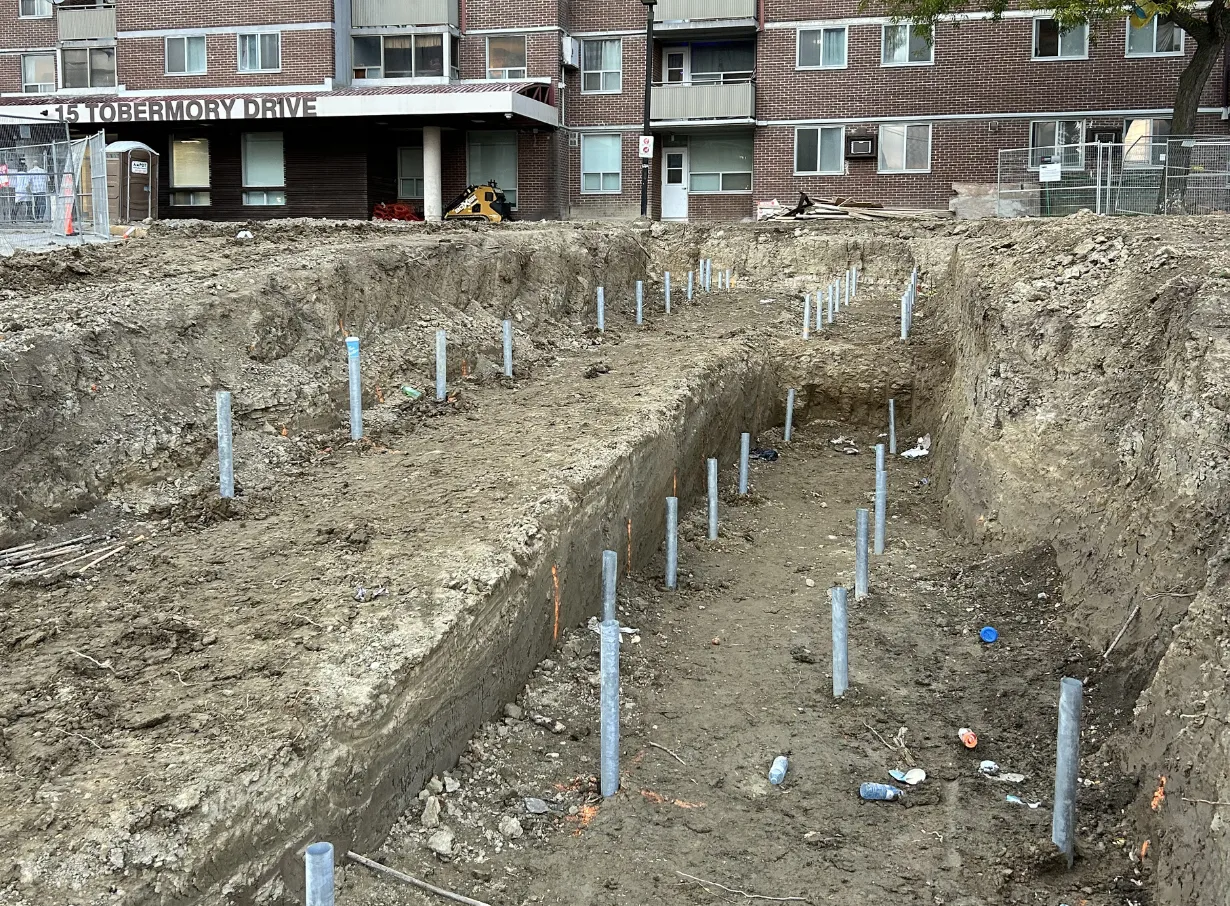
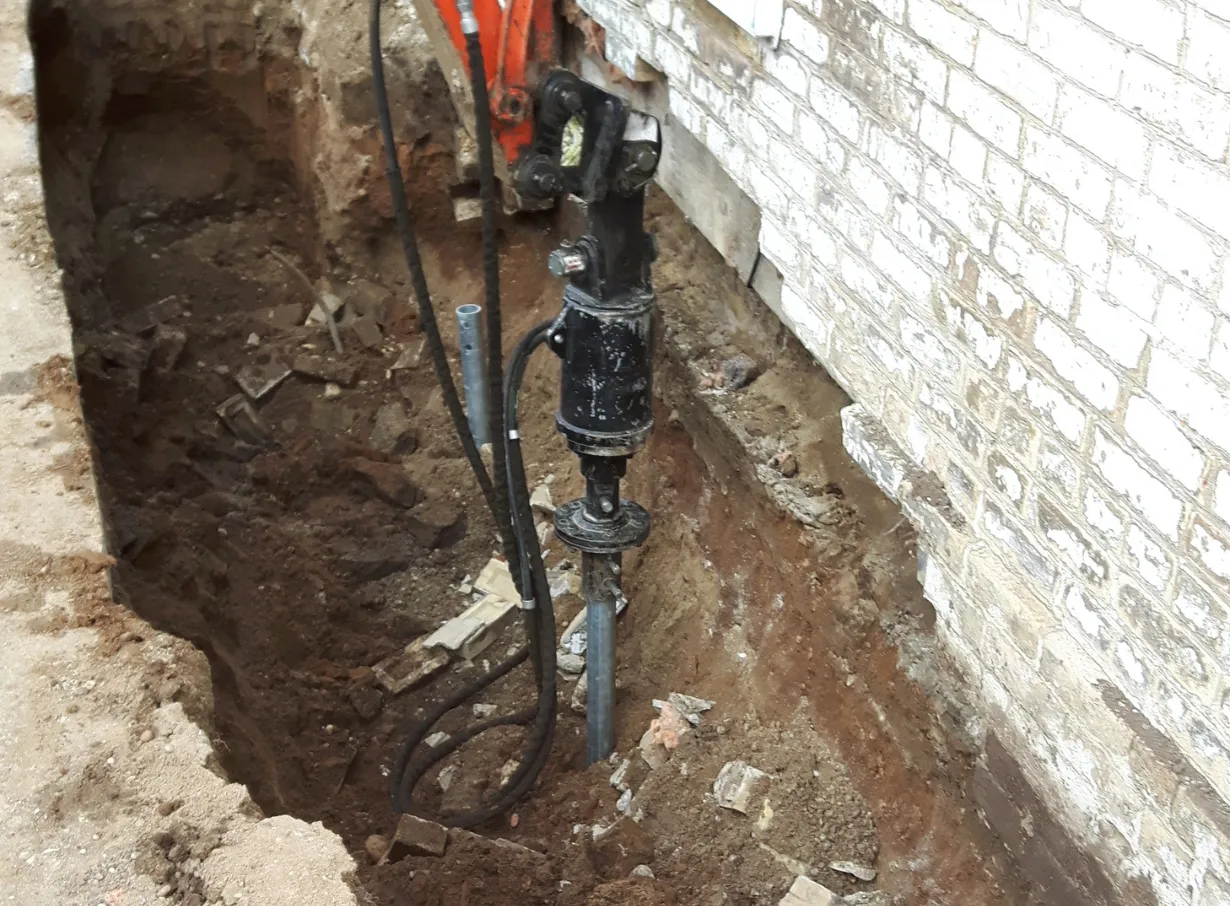
Traditional concrete footings may require more excavation and more time on site. Screw piles provide another option. Instead of digging large foundation holes, we install steel piles into the ground and continue to the depth required by the project.
For Holland Landing property owners and contractors, screw piles offer several practical benefits:
Holland Landing sits in an area with varied ground conditions. Some areas have sandy soils, while other locations can contain finer soils such as silt and clay. Properties near waterways can also have different drainage and soil conditions.
Because of this variation, we do not use one standard pile depth for every project. Instead, we look at the structure, expected loads, site access, and available engineering information before installation.
Our screw pile and helical installation equipment uses hydraulic torque to drive steel piles into the ground. During installation, we monitor the torque required to advance each pile. This information helps our team confirm that the piles meet the project’s engineering requirements.
The result is a clean and controlled installation process. In many cases, there is also less disruption to lawns, gardens, driveways, and other finished areas.
Every property has its own layout and ground conditions. The following areas highlight common site factors that can affect screw pile installation around Holland Landing.
Established homes in Holland Landing can have mature trees, finished yards, fences, and limited equipment access. Compact screw pile equipment can make installation easier on these properties. The smaller site footprint also helps reduce damage to existing landscaping.
Properties near Yonge Street include a mix of established homes and newer development. Site access can vary, so we review the driveway, side yards, and work area before installation. A suitable pile system is then selected for the structure.
Properties closer to the Holland River may have different soil and drainage conditions. Ground conditions should be reviewed before foundation work begins. Our installation process allows the pile system to be adjusted to the site’s engineering requirements.
Rural properties can provide more room for equipment, but they may also have longer access routes, uneven ground, or different soil conditions. We review the full site before installation and plan the work around the structure and available access.
Holland Landing is part of the Town of East Gwillimbury. Building rules depend on the type and size of your project. A permit may be required for additions, new buildings, garages, carports, and many deck projects. Engineering documents may also be needed for structural work.
| Project Item | Pricing Factors | Holland Landing Details |
|---|---|---|
| Building Permits | Project size, floor area, structure type, and the amount of structural work. | Holland Landing is in the Town of East Gwillimbury. The Town requires approved permits for new builds, additions, and other major structural work. Confirm the permit requirements for your specific project before work begins.
View the East Gwillimbury (Holland Landing) permit requirements » |
| Decks and Porches | Deck size, height, design, location, and whether the structure meets an exemption. | A permit is required for most decks. Exemptions apply only to uncovered wooden decks less than 600 mm (24 inches) above grade that are not adjacent to required exits or ramps. |
| Site Access | Driveway width, gates, side-yard access, landscaping, and available work space. | Restricted access can affect installation planning. Our compact equipment helps us work on many residential properties with limited space. |
| Stamped Engineering Plans | Structural loads, soil conditions, pile depth, foundation design, and project requirements. | Engineering requirements depend on the structure and site. East Gwillimbury’s deck guide also notes that helical piles require engineer-stamped design and soil analysis. DiamondTech can coordinate the pile layout and engineering information needed for your project. |
| Screw Pile Installation Pricing | Number of piles, pile depth, load requirements, extensions, access, and ground conditions. | There is no single price for every Holland Landing project. We review the project scope and site conditions before providing a custom quote. |
See every region we cover on our helical pile service areas page.
It depends on the project. Screw piles often support structures that require a building permit, such as additions, new buildings, and some decks. The Town of East Gwillimbury can confirm the requirements for your property.
Yes. Our compact equipment can work in many tight spaces. Narrow side yards, fenced yards, and limited backyard access can often be handled with the right installation plan.
Yes. Helical piles can be designed for different ground conditions. We review the site and follow the project’s engineering requirements to determine the correct pile system.
There is no single depth for every property. Soil conditions, structural loads, frost requirements, and engineering specifications all affect the final pile depth.
Yes. Screw piles can be installed during winter. Since the system does not need concrete to cure, cold weather does not create the same curing delay.
Yes. Screw piles can support many residential structures, including decks, porches, additions, and other projects. The correct system depends on the structure, soil, and engineering requirements.
Planning a temporary or relocatable structure? Read our guide to removable and reusable helical piles for temporary foundations.